Do We Seal Both Conifer and Deciduous Cuts?
My bonsai garden is a long-term experiment with tree technique. Often this is a conscious thing, sometimes it isn’t.
For the most part over the last two decades I’ve sealed cuts on both conifer and deciduous. Occasionally I didn’t seal, due to curiosity or forgetfulness or some other reason.
Here are a few observations.
The overall comment is that a sealant can be useful for both groups of plants, if your goal is to close the wound faster.
Then there’s a divide. Disease is the big question mark.
Leaving jin and shari on pines and junipers is unlikely to cause trouble with disease affecting the living tissue.
I’ve also yet to trace the life of a pine, or dead branch on it, to disease from an unsealed cut. It might happen, but I’ve not seen it. It’s possible the pitch keeps most disease out.
As an opposing example, spruce and hemlock (and many deciduous species) are susceptible to the Cytospora canker, which comes in through wounds and can cause branch loss.
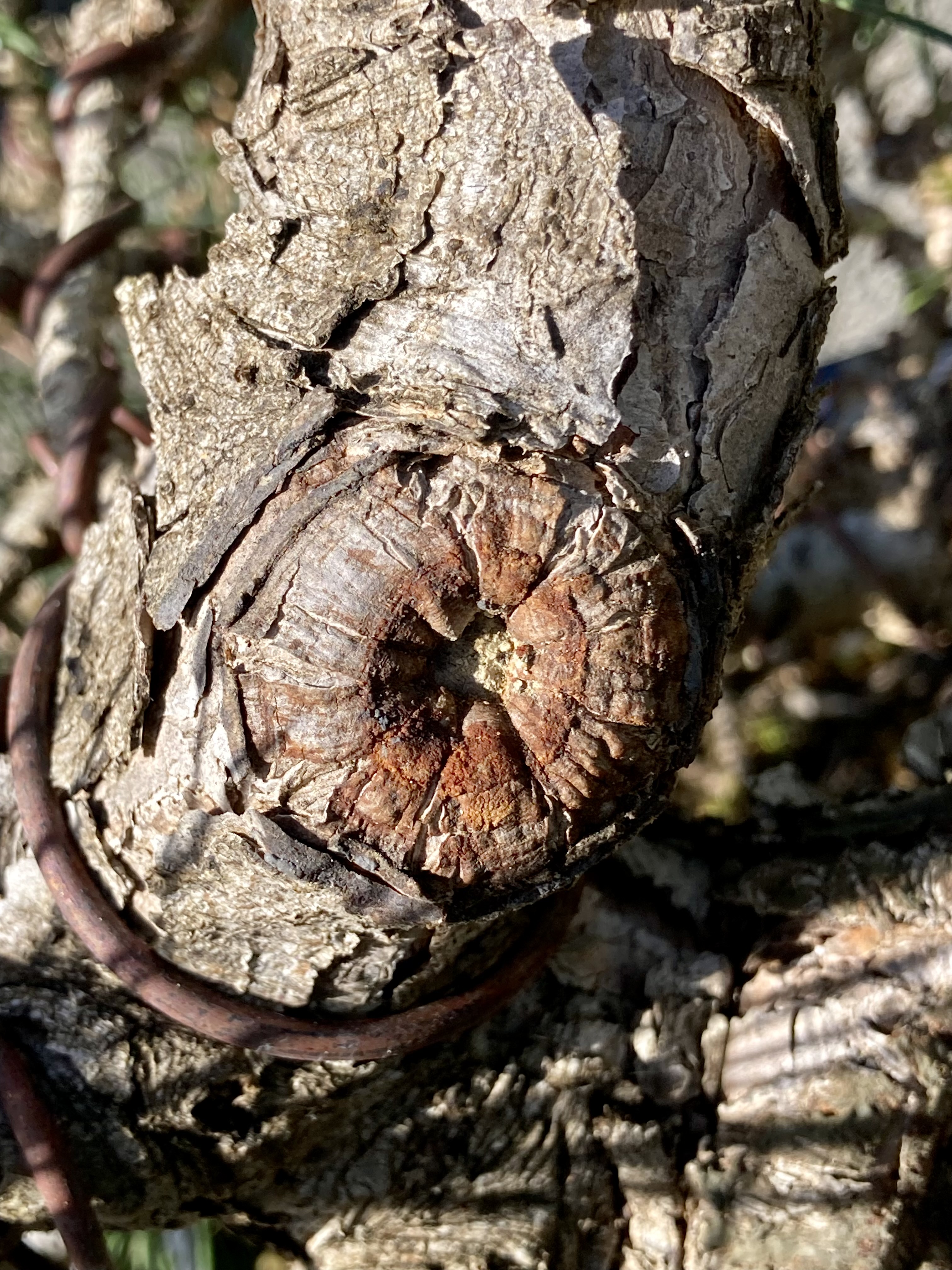
A pine previously sealed with Kirikuchi, a liquid latex sealant. The wound is closing fast and well.
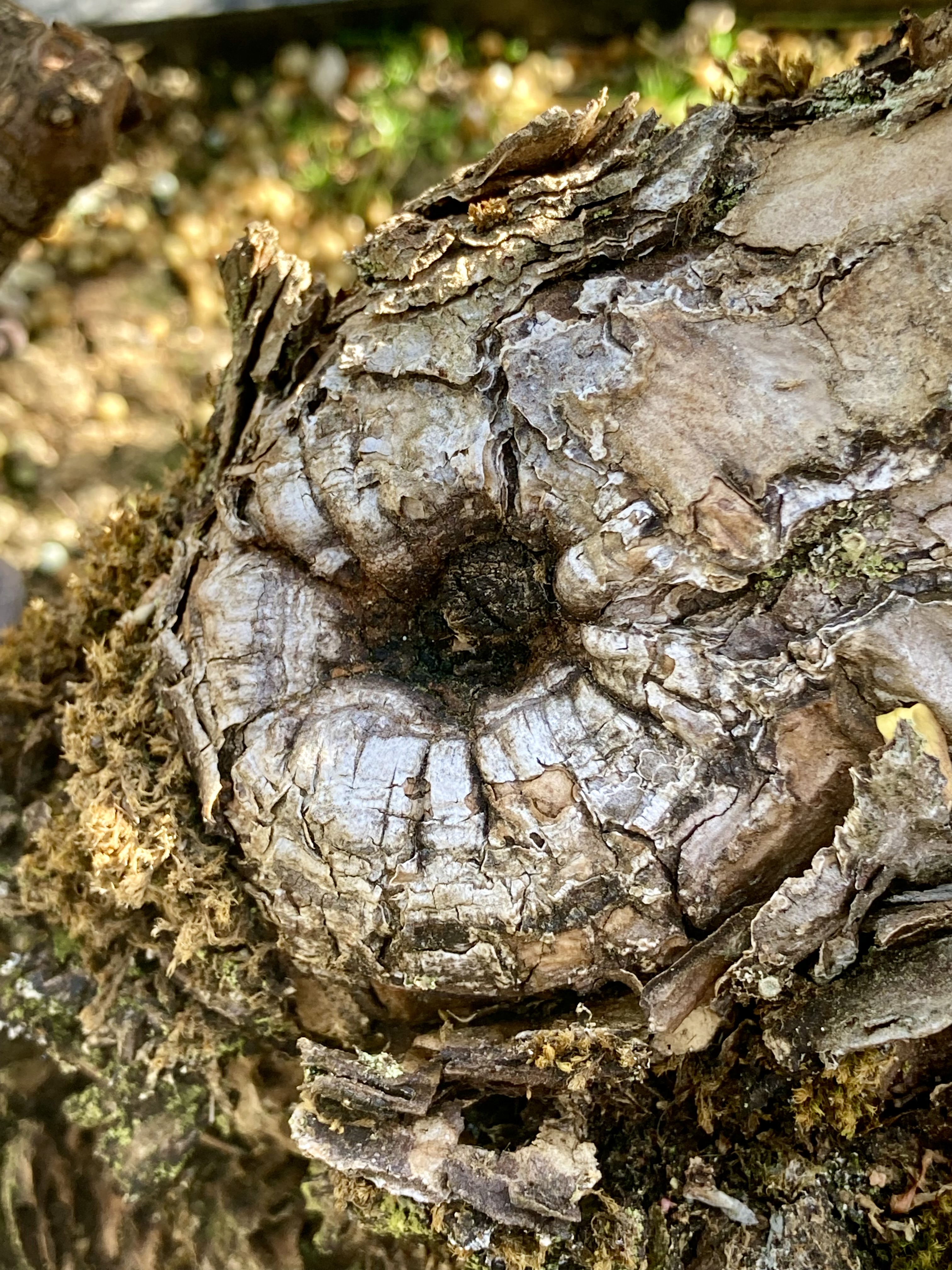
There’s no evidence this cut was sealed. Non-sealed pine cuts do not seem to allow disease to enter, perhaps due to the pitch.
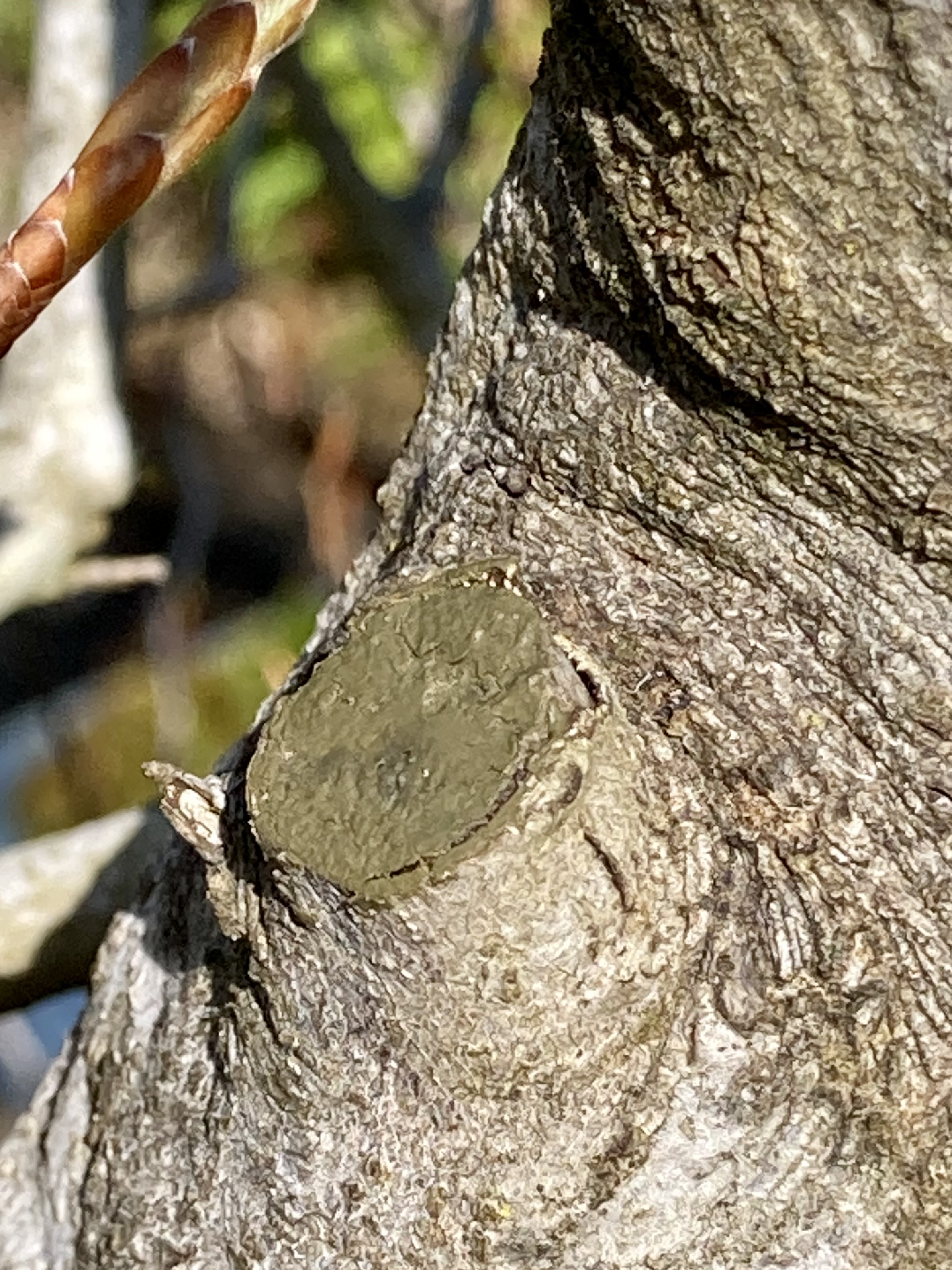
A beech pruning cut—a rough cut not carved out yet—sterilized and sealed due to concern a disease might come in. I’ve seen many instances with deciduous trees where disease enters through an unsealed cut. Pseudomonas on maple, fireblight and botrytis on quince, the list is long. If sterilized and sealed, losses of branches or the whole deciduous tree are minimized.
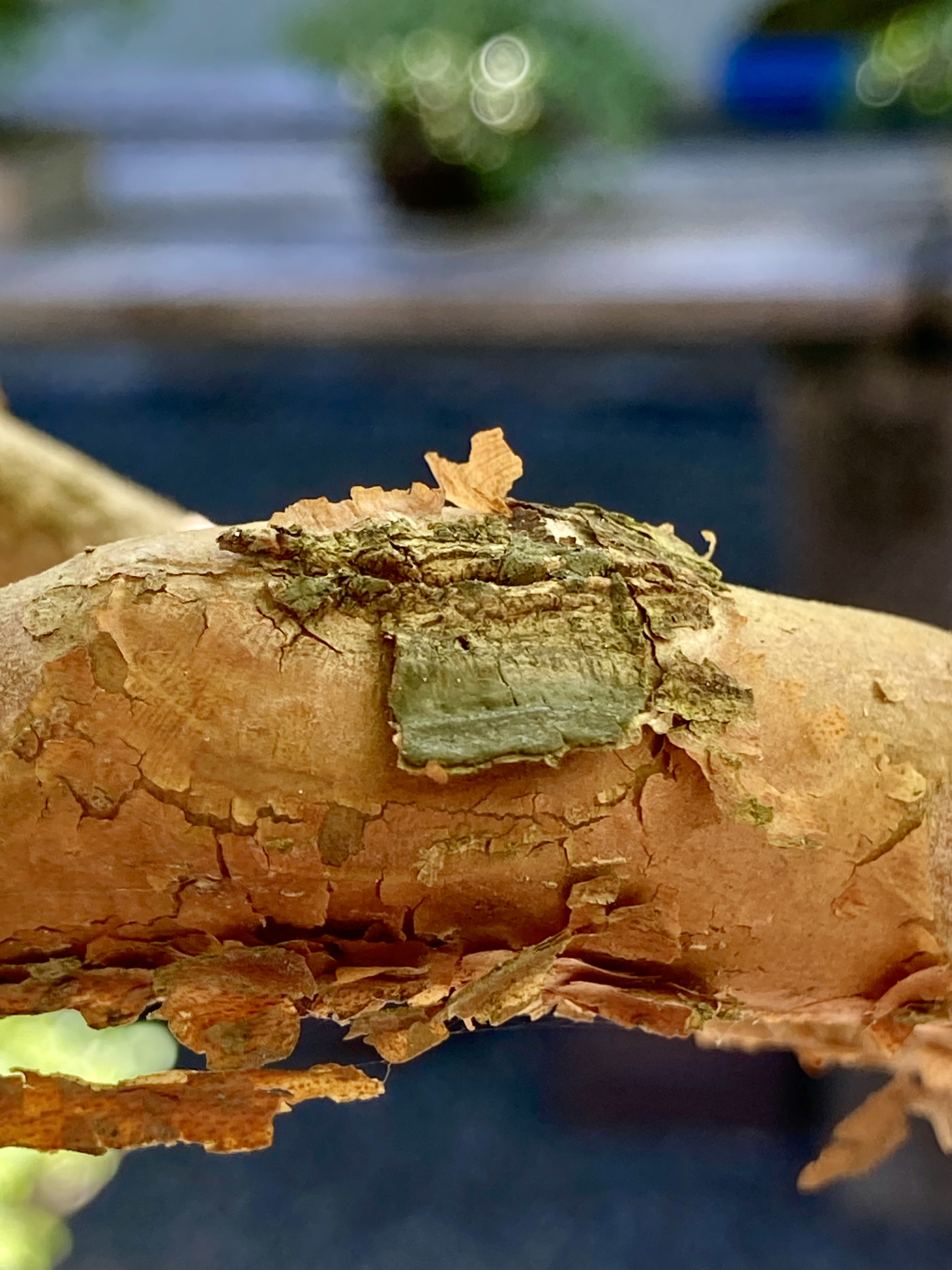
Stewartia pruning cut fully closed, having used Kirikuchi sealant, after sterilizing. The concern is the high frequency of disease from open deciduous wounds as opposed to conifer.
I’ve written elsewhere about sealants that appear to close wounds at a fast rate, as in the chapter “Wound sealant is never useful in bonsai”, on page 216 of Bonsai Heresy. Some sealants may have growth enhancers in them, like gibberellins, that can elongate cells.
If you’re going to use sealant on a deciduous tree, sterilize the wound first, let it dry, then apply sealant. Arboriculturists talk about the possibility of locking in the pathogen. Isopropyl alcohol, hydrogen peroxide, or a 10% bleach solution are sterilizers.
April 2024 Bulletin Board
- This weekend! The Aesthetics Course co-taught with Andrew Robson, which has a couple spaces left—really looking forward to this unique class, covering lots of topics including design, display, color theory, ceramics, and evaluation of trees to bring your bonsai presentation to a new level. Two bonsai gardens, one course: April 27-28th, Portland, Oregon.
- The bonsai return to the Portland Japanese Garden this month, on April 17th, featuring several stand-out bonsai leant by the Pacific Bonsai Museum, Dan Robinson, and David DeGroot. If you visit, don’t miss the hidden secret bonsai garden up behind the gift shop building—walk up the stairs and through the glass doors—one of my favorite quiet spots, in a garden full of such places
4 Comments
What’s the general rule for how large a cut should be before sealant is required?
I don’t seal smaller than about 1/4”. Unless it’s a type of tree I know there’s a disease problem with for that area, then I may seal smaller ones.
Just an observation on large cuts: I was trying to get a large wound on a Japanese maple to heal, made by the previous owner, by just renewing the wound and sealing the edge. It was mostly closed but one winter it sprouted turkey tail mushrooms and the wound went back to the original size. I managed to get rid of the fungus, but I’m wondering if the conventional wisdom of only applying wound sealant to the edges of large cuts might be wrong.
It’s a wonderful observation, thanks for noting Eric! I would actually say that’s the unconventional wisdom, I’ve done it, but given your observation I may not in the future! Usually we cover the whole wound.