What To Do In The Bonsai Garden In Fall
Up in the temperate parts of the world fall is a shoulder season. And early fall has elements of summer and fall, with summer not yet a memory and cooler nights hinting at change.
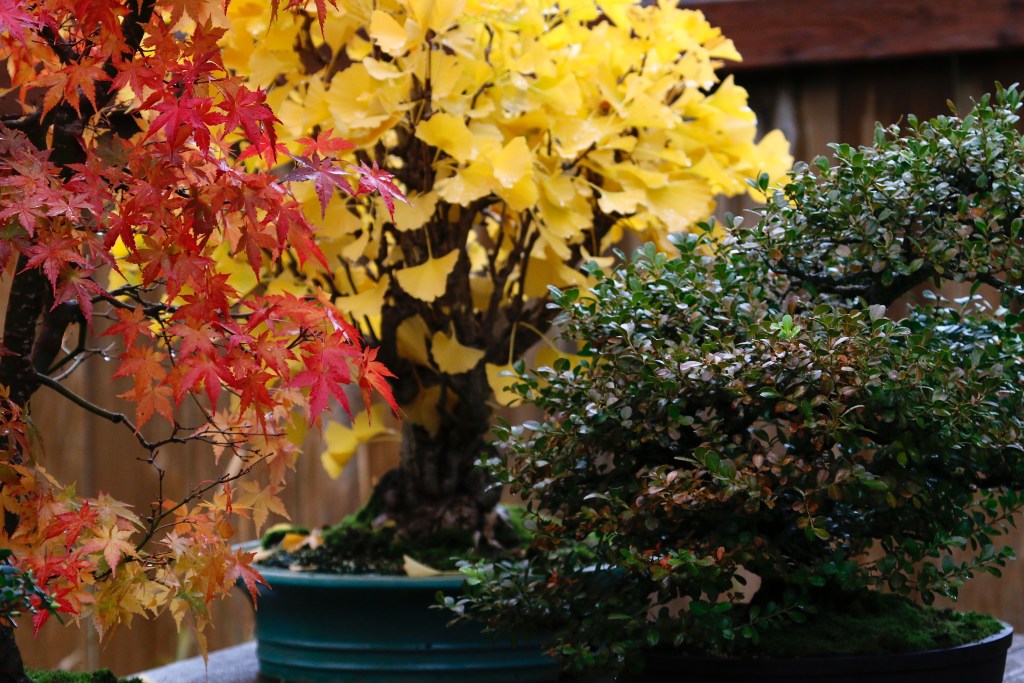
It may be best to let tree leaves fall off naturally. Nutrients are reabsorbed before the leaf drops. Phosphorus, nitrogen, and other goodies are brought back into the plant to help it withstand winter. Anthocyanins—the pigments in the brilliant red colors of fall leaves—are thought to protect the leaf while this nutrient transfer happens.
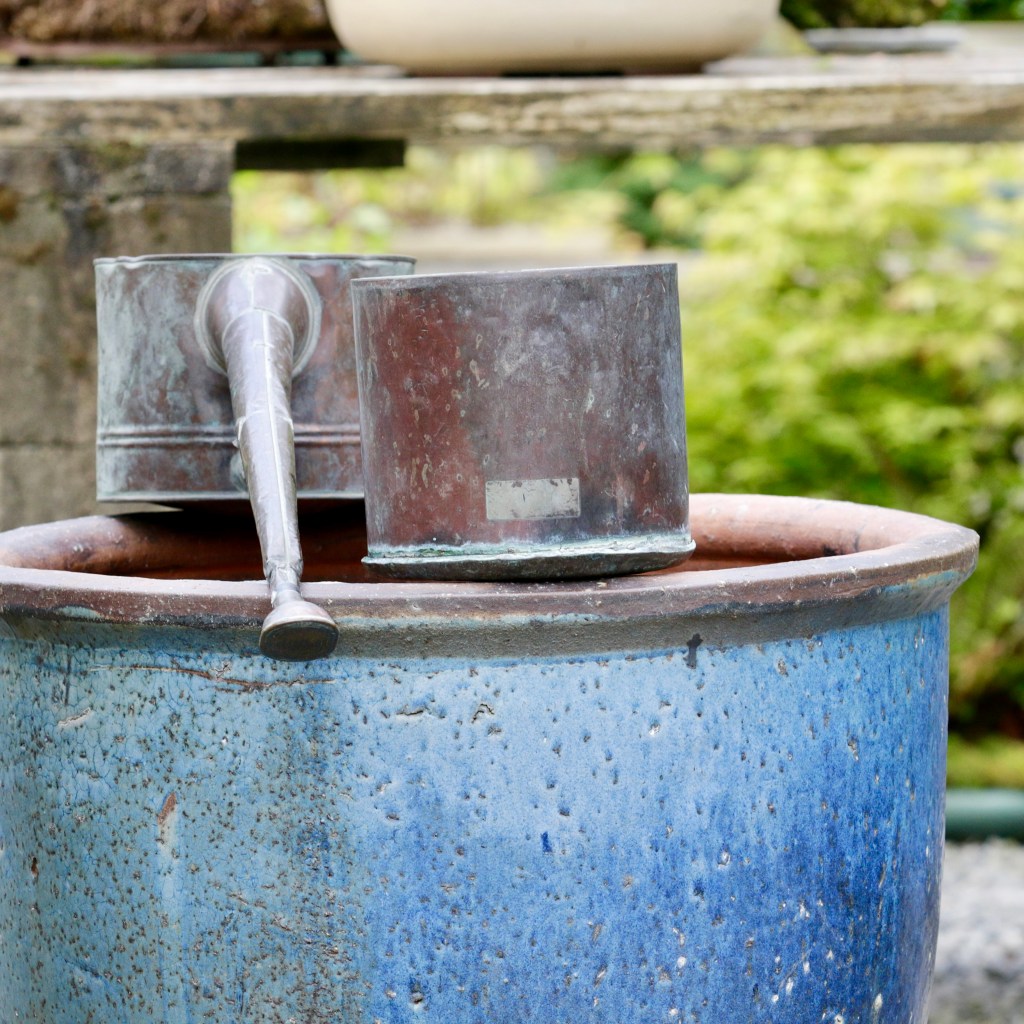
One of the most obvious things about early fall is that watering gets wonky. Some plants stop using water, almost to the point of appearing dormant. Deciduous often behave like this when their leaves start to turn. Others, particularly conifers, keep sucking up water like it’s spring. Fall watering can keep you on your toes.
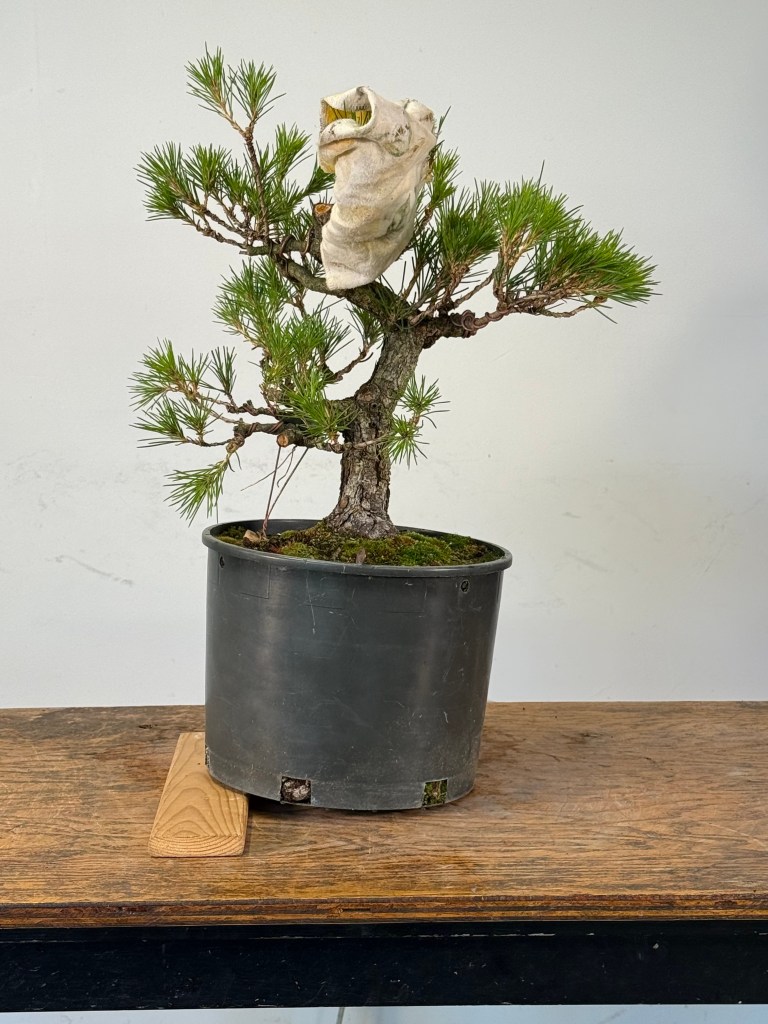
Mid-fall is a great time for making big decisions—like hard pruning with concave pruners and saws. The year is too advanced for most trees to be triggered into throwing out shoots, so they build buds instead. This sets up trees well for next spring with new or fattening buds, and—one of the benefits of fall pruning—is the spring internodes tend to be shorter. It is thought that the hormones of the plant, which we push out of balance by a big cut, are balanced by springtime.
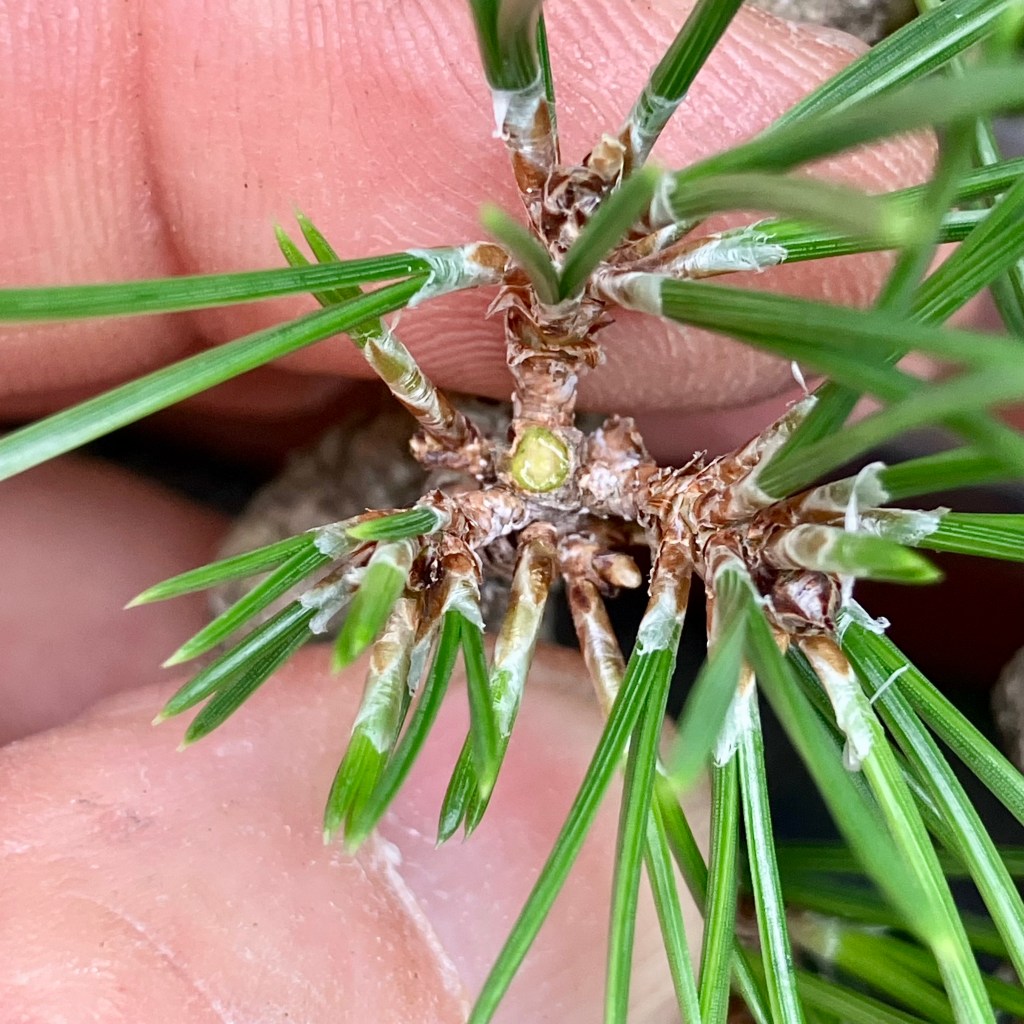
Selecting shoots that hardened off in summer with scissors is another important fall technique. Decandled Japanese Black Pines wrap up their needle growth later in the fall than most bonsai, and then the multiple shoots may be managed down to three, or two (or one), depending on the density of the tree.
For many plants—a Satsuki azalea, a spruce, a maple—fall shoot selection makes room for new growth, and focuses the tree’s energy into fewer places rather than many, which, over several years of inattention, can weaken a mature bonsai to a standstill.
Setting a bonsai up for spring success is fall work.
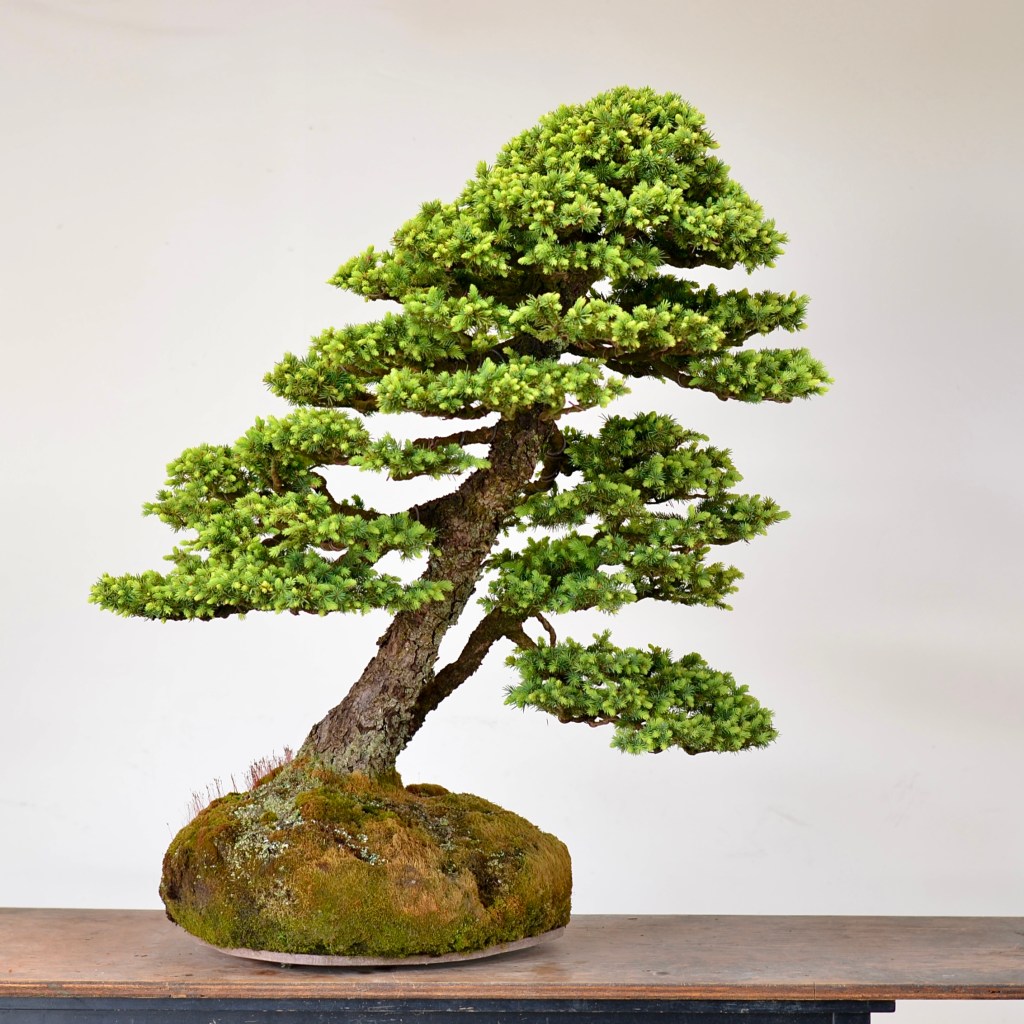
Some species are best worked on in fall. Spruce is one. And some may be worked on at many times of the year, like Juniper, but fall is still a good time.
The density of the above Engelmann Spruce is ideal for display. But after that fanfare we need to thin out a tree like this in the fall, by trimming about 1/3 of the shoots. Otherwise there is no room for new growth next year.
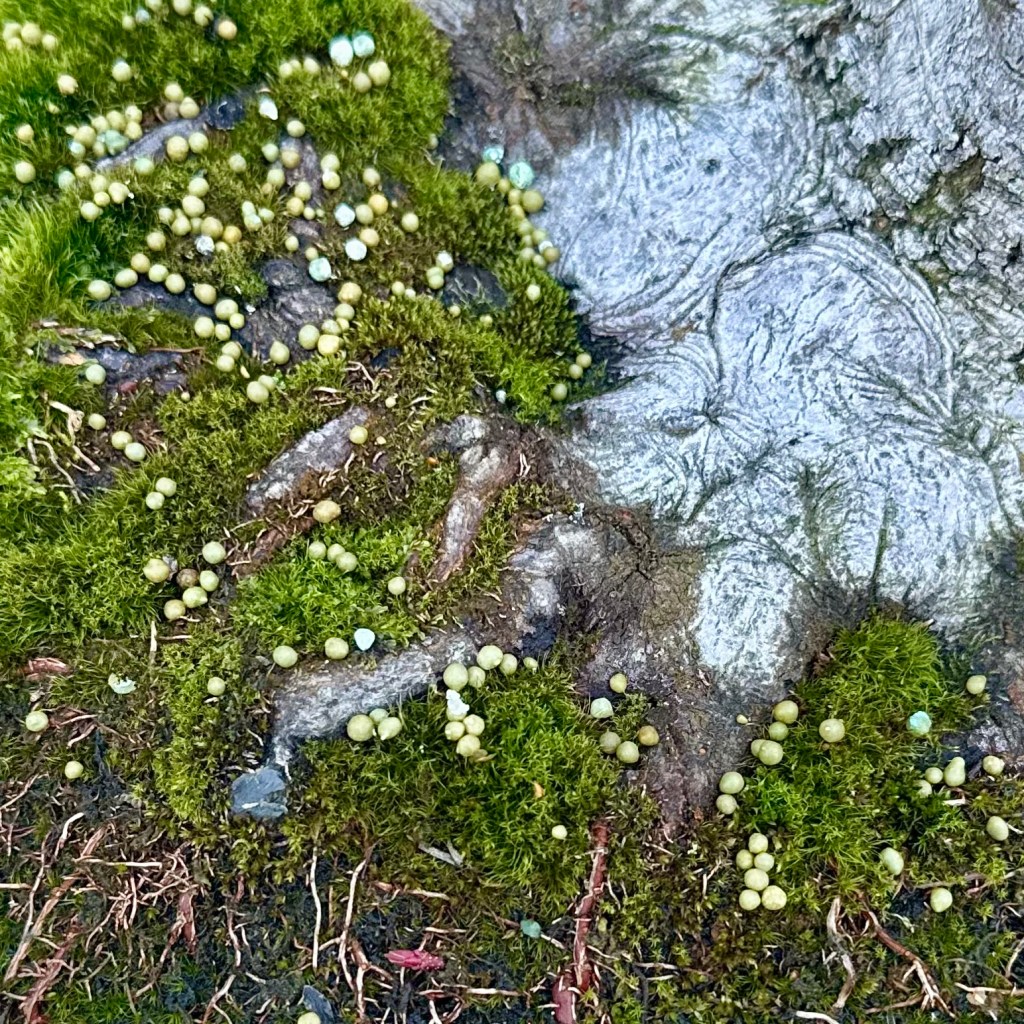
Some fertilizer in the fall is a good thing. Minerals in fertilizer assist the development of buds, root growth before winter, and winter hardiness.
I have a love / mild hate relationship with the prill type fertilizer, the small pellets shown above. Under ideal situations they provide a low background fertilizer that seems OK for maintaining growth and health. You can apply more to some, and less to others. The “ideal situation” would be a plant that has a good lip on the pot so the prills don’t wash away.
Unfortunately in my garden there are many mounded root masses, and prills don’t last long. They skitter off with watering. Some get trapped in the growing moss, which is good…except then you can’t see them, and then you might over-apply.
Many times on this blog, and in Bonsai Heresy, I’ve mentioned my affection for organic cakes (having made peace with the smell). I like the ability to dial in the amount each plant gets, the mild dosing that organics offer, and in most situations, they sit there politely and don’t run away like a prill.
Sadly, in my garden birds and animals are fond of relocating cakes, making them useless. So here we get by with prills, which offer some fertilizer when watering or when it rains (like in fall when not watering much). And then we apply liquid fertilizer on weaker plants and those that need a lot of fertilizer, like Japanese Black Pines and Chojubai.
As I have a complex garden with many different plant needs, including multiple flush and single flush species, I don’t prefer a single dosage of a liquid fertilizer—a situation more easily managed by cakes (or prills, if they worked better).
For various reasons you may prefer solids to liquids, or vice versa. They both work, but they may not work equally well for all of us.
Long winded but a fun subject. And yes, our bonsai will appreciate continued fertilizer in the fall—
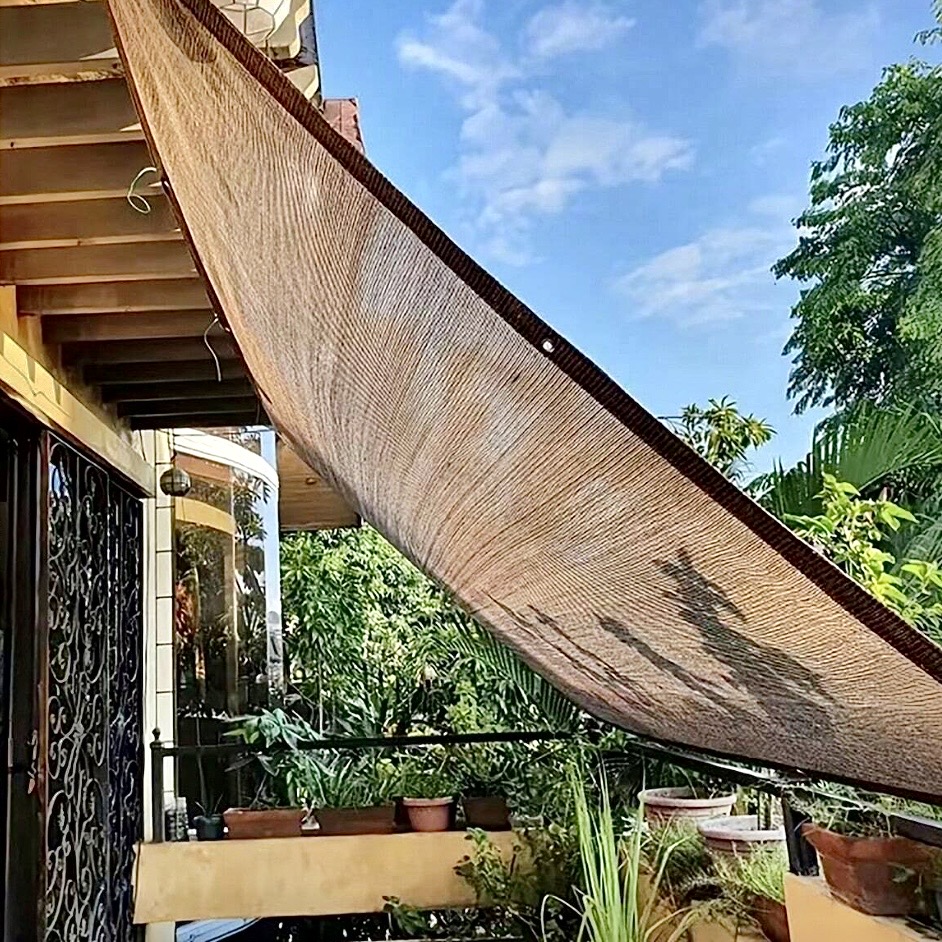
Taking down shade cloth in early fall or relocating plants from under it can help offer more light. Light brings warmth, which can extend your growing season.
Even if a plant isn’t obviously growing in fall, roots will grow and buds will develop. Carbohydrates are stored in the roots and trunk to power spring growth. Warmth on the branches and pots late into the year, even from a cool sun, will extend the “invisible growth” days available to a plant in fall.
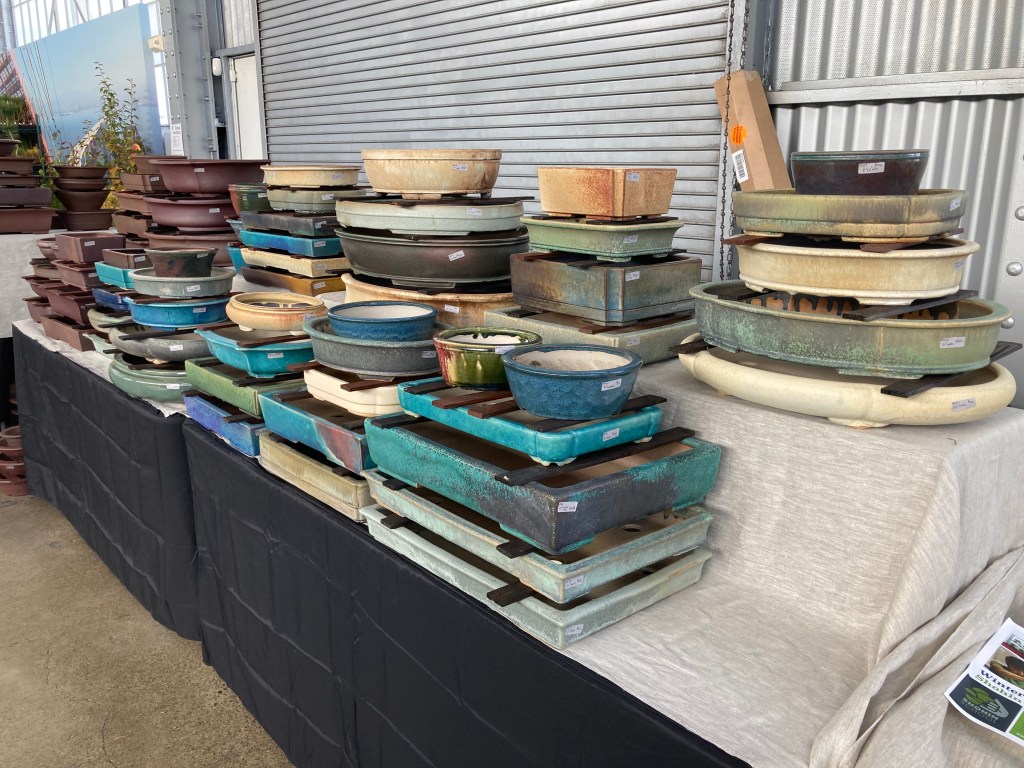
For those of you into display or with a love of containers—the “extras” of well-presented bonsai—fall is a good time to get in touch with such desires. Well before spring repotting, on a quiet day when fall is in your bones and slowing you down a touch, maybe look into next year’s display and repotting needs. Or, simply, your ardent wants.
Although less romantic, it’s also a good time to replenish soil stocks.
Leave a Reply