2026 Kokufu-ten: Part 2
Many thanks to Evan Cordes, Carmen Leskoviansky, and Masaki Shimada for these photos of Kokufu-ten Part 2.
The Kokufu is well-known to showcase impressive, thick-trunked, dizzyingly developed old bonsai. I’ve included some of those meat and potato trees, but whimsy also shows up here and there. In this Part 2 I’ve included some of that.
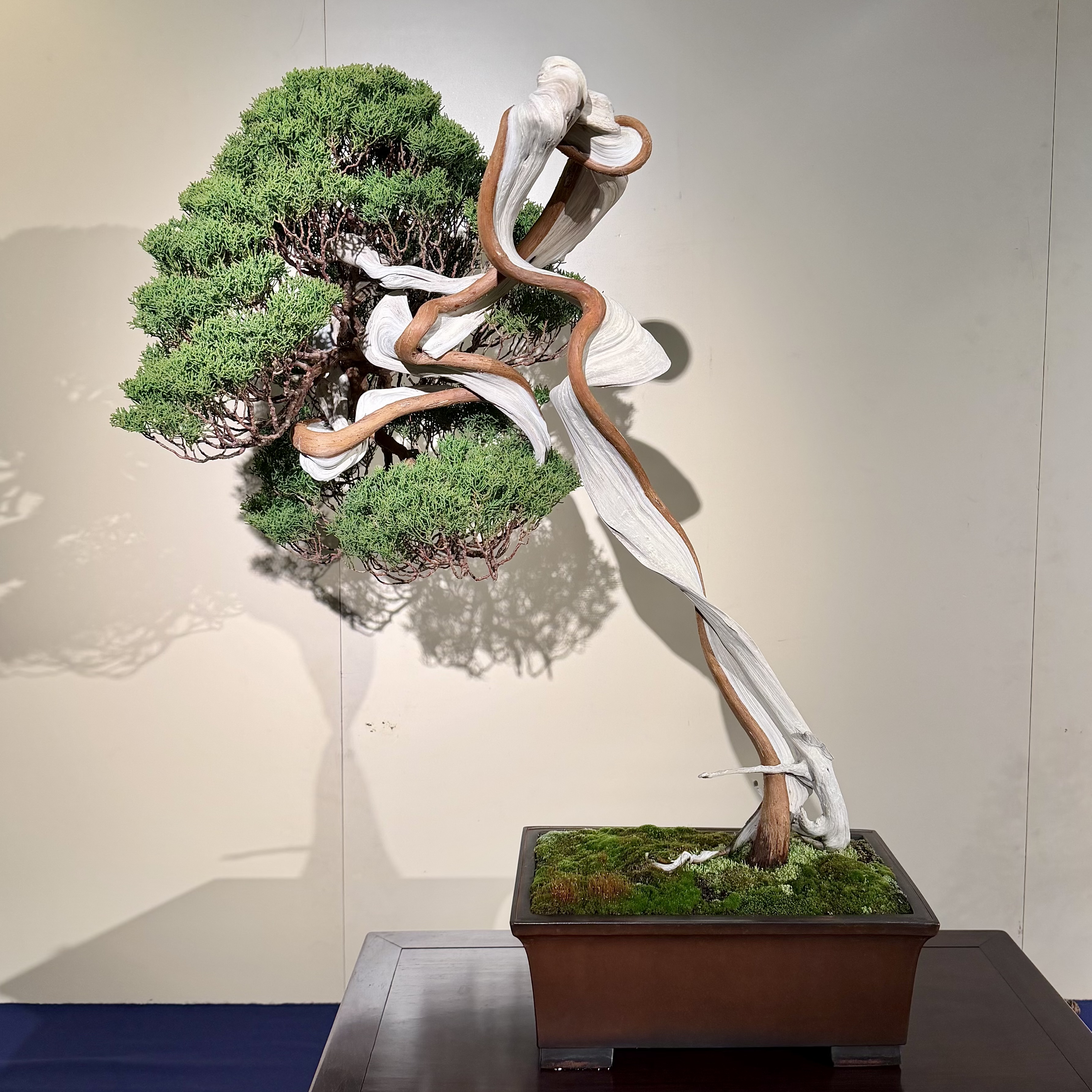
Shinpaku. Crazy live vein.
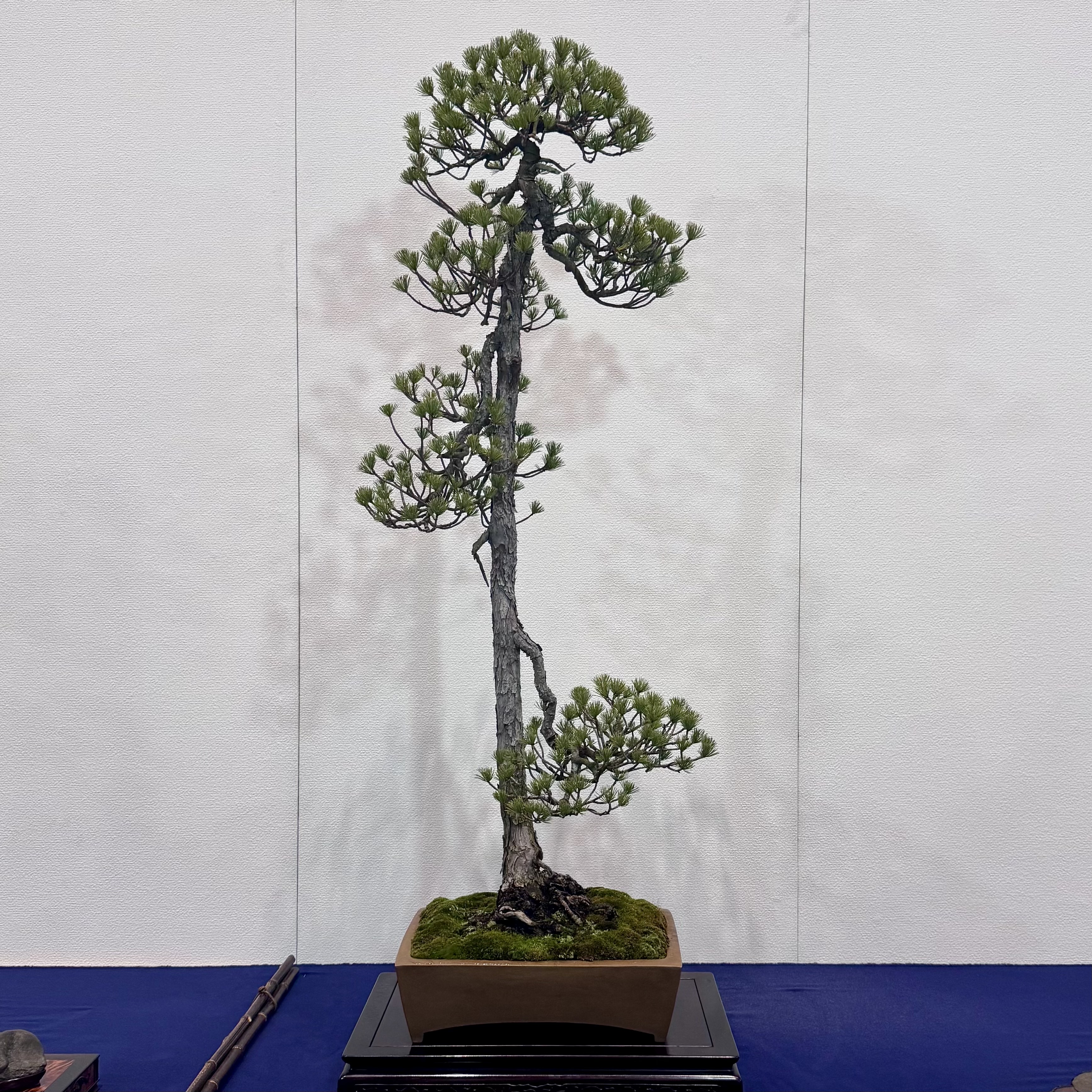
Japanese White Pine. A formal-ish upright bunjin in a simple bridge pot.
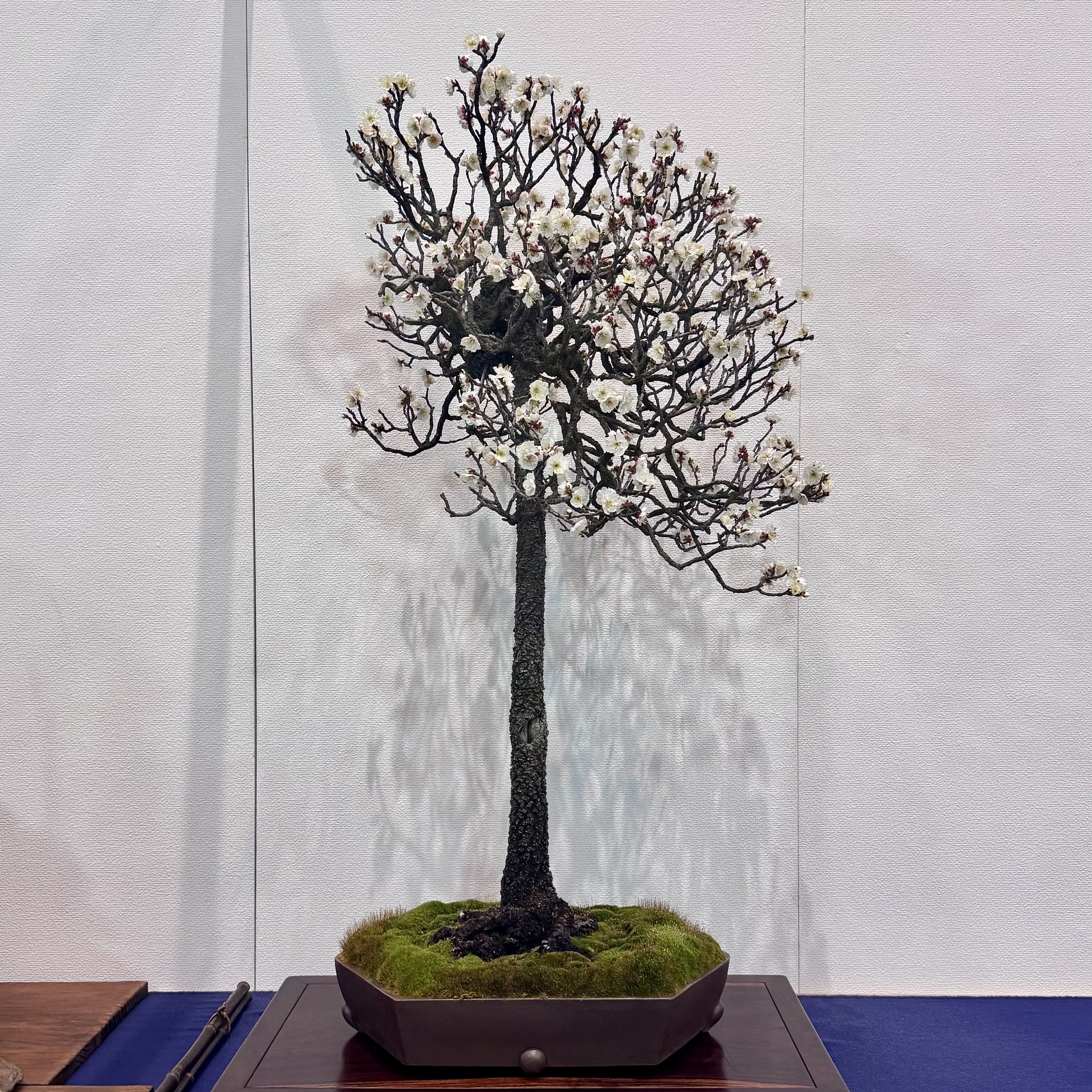
Hitting the same note twice, here’s a formal upright Ume. Never seen that before. Appears to be in a hexagonal rectangle.
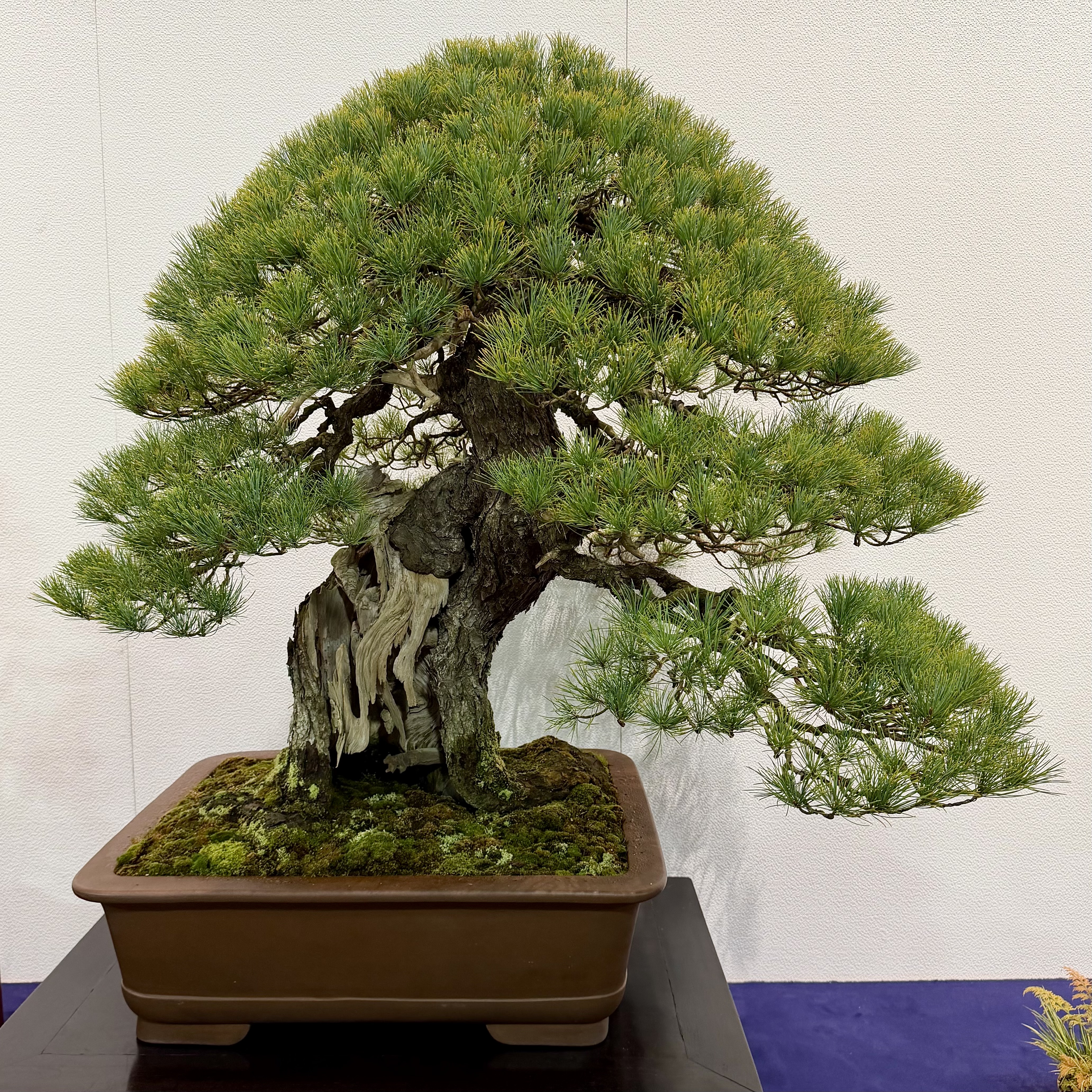
Japanese White Pine. Big famous tree. This was in Mr. Suzuki’s garden when I first arrived in 2003.
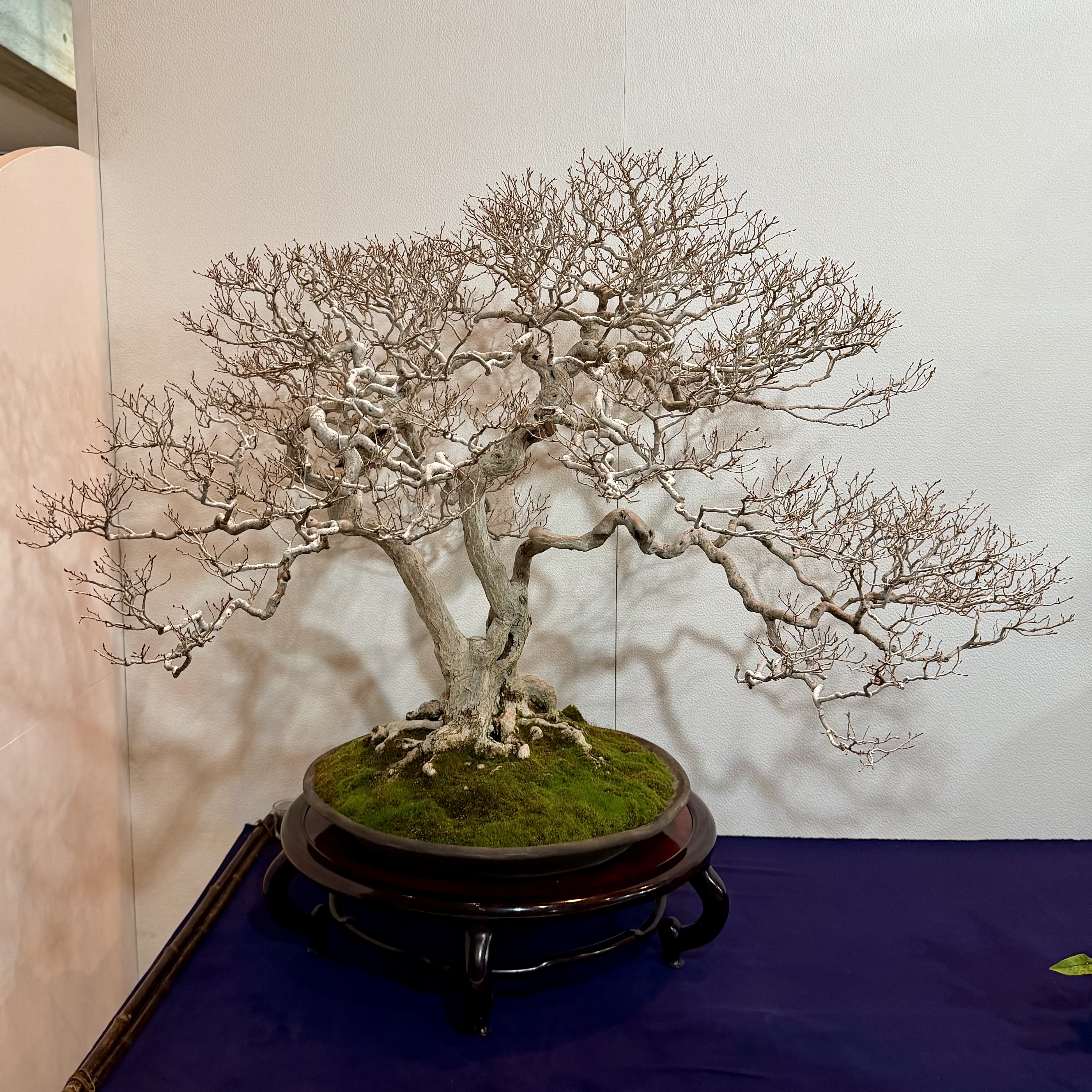
Hornbeam.
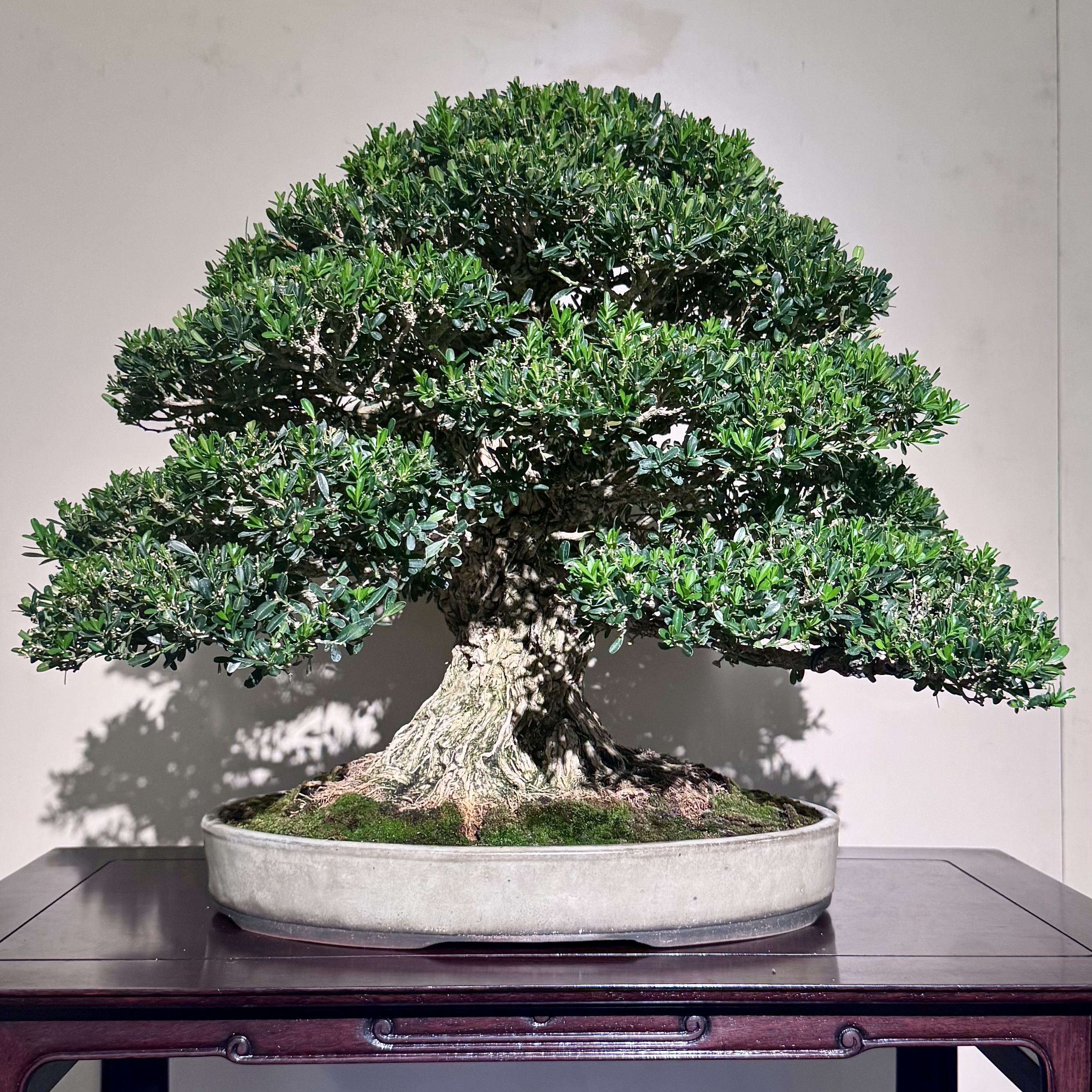
A Harland Boxwood. Unusual in the Kokufu. Excellent nebari. You’d struggle to get a fine and detailed nebari like this in the ground, likely pot-grown from a cutting or air-layer.
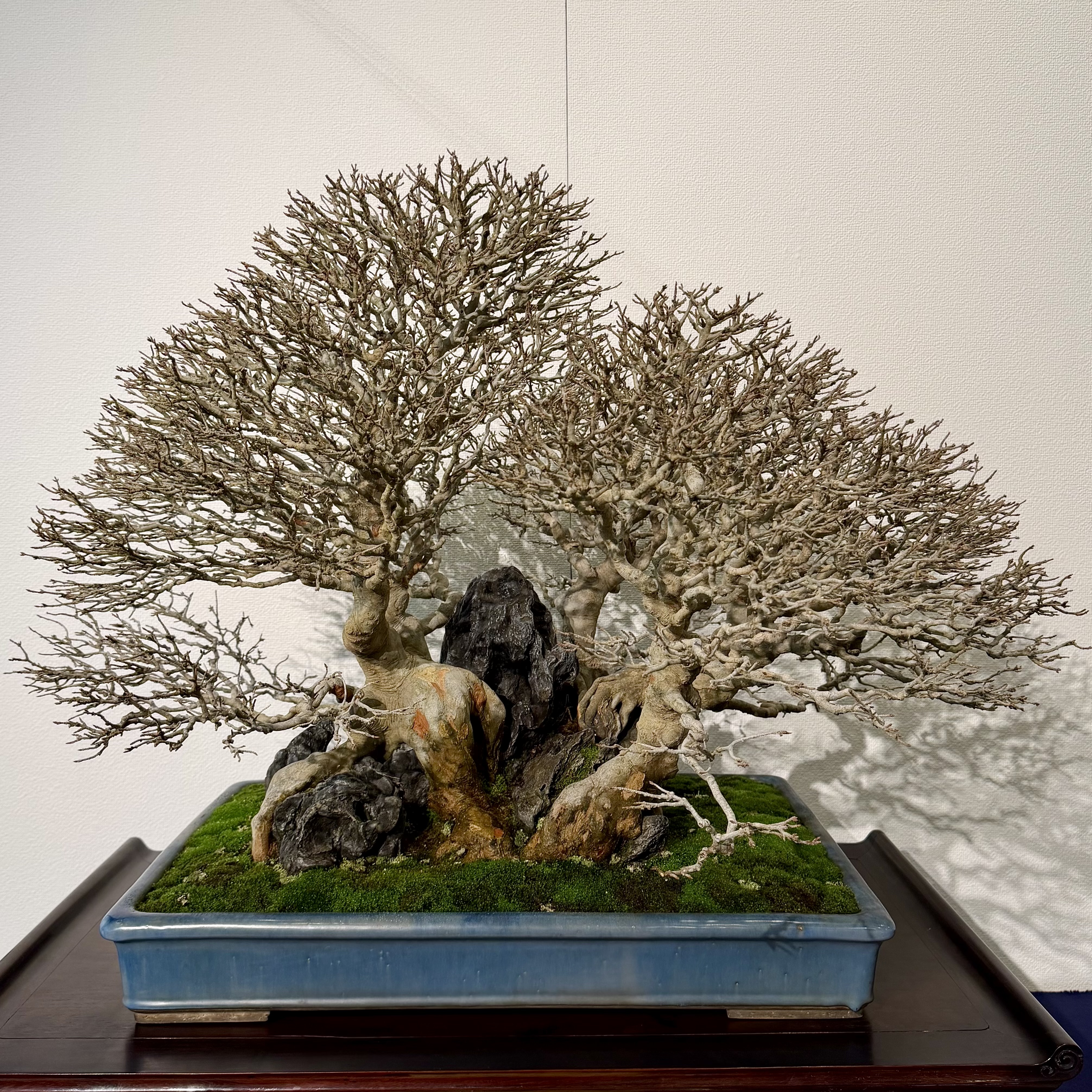
Root over rock Trident Maple.
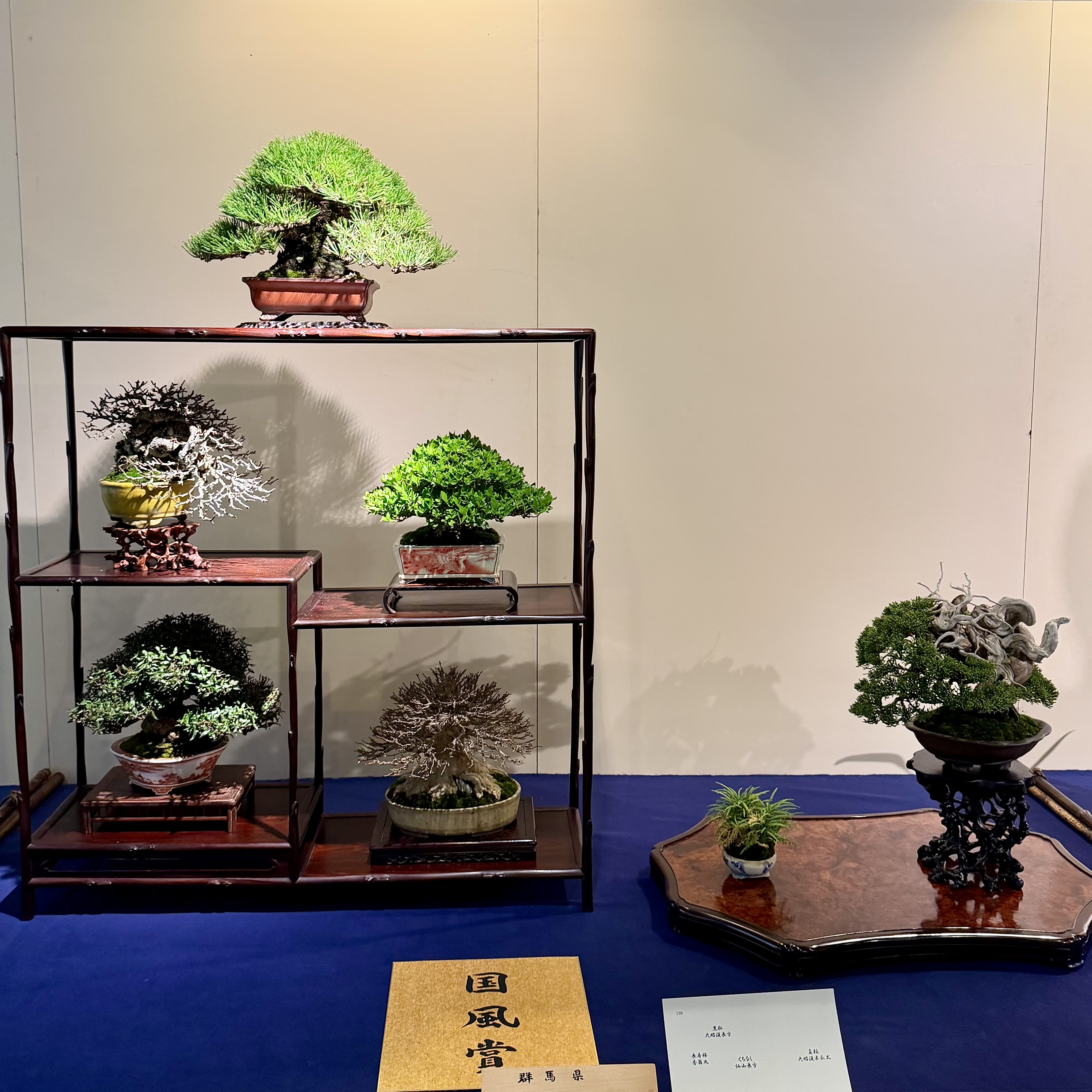
This shohin display got a Kokufu Prize.
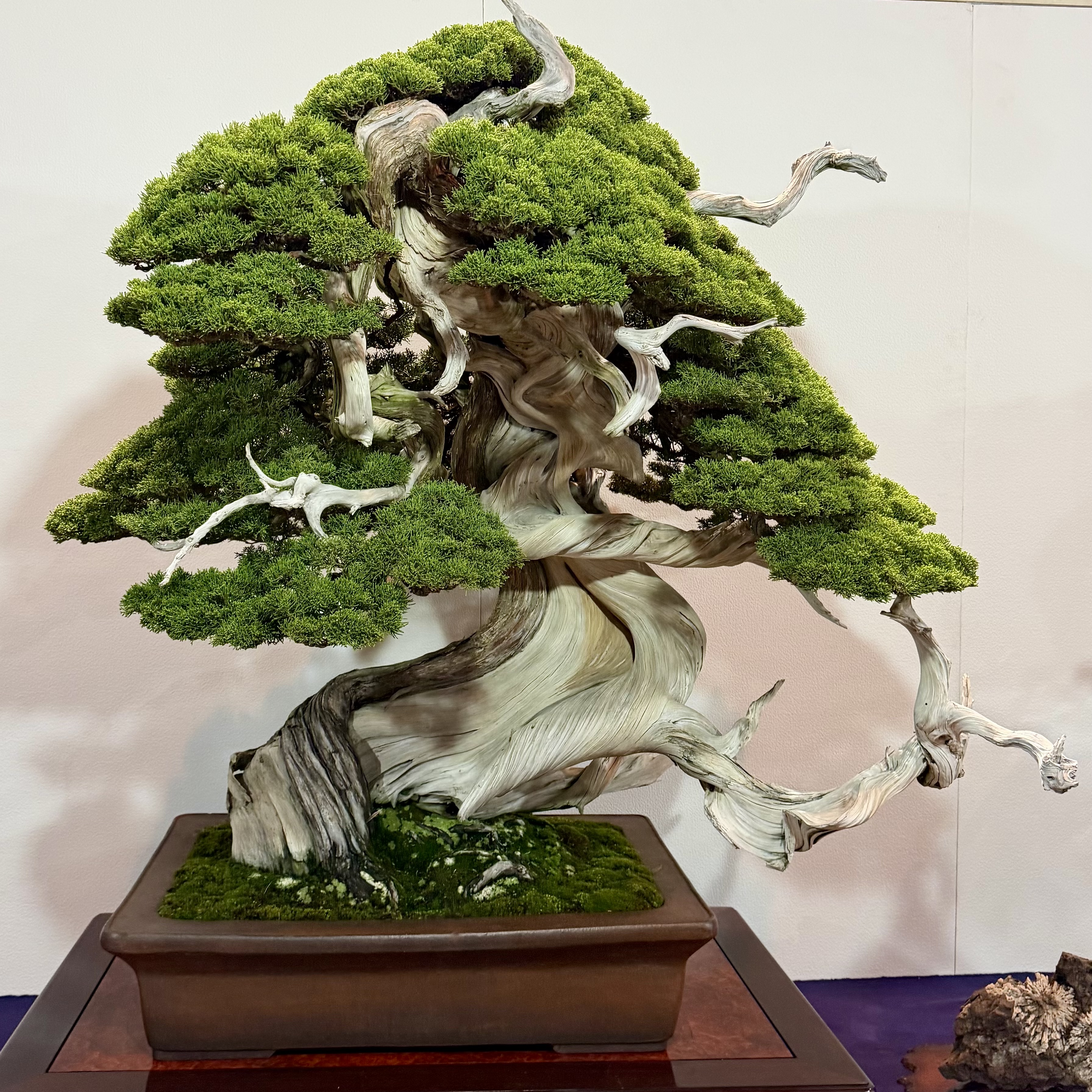
A swirling Shinpaku. Likely grafted foliage, it usually is when fine and tight. But not always.
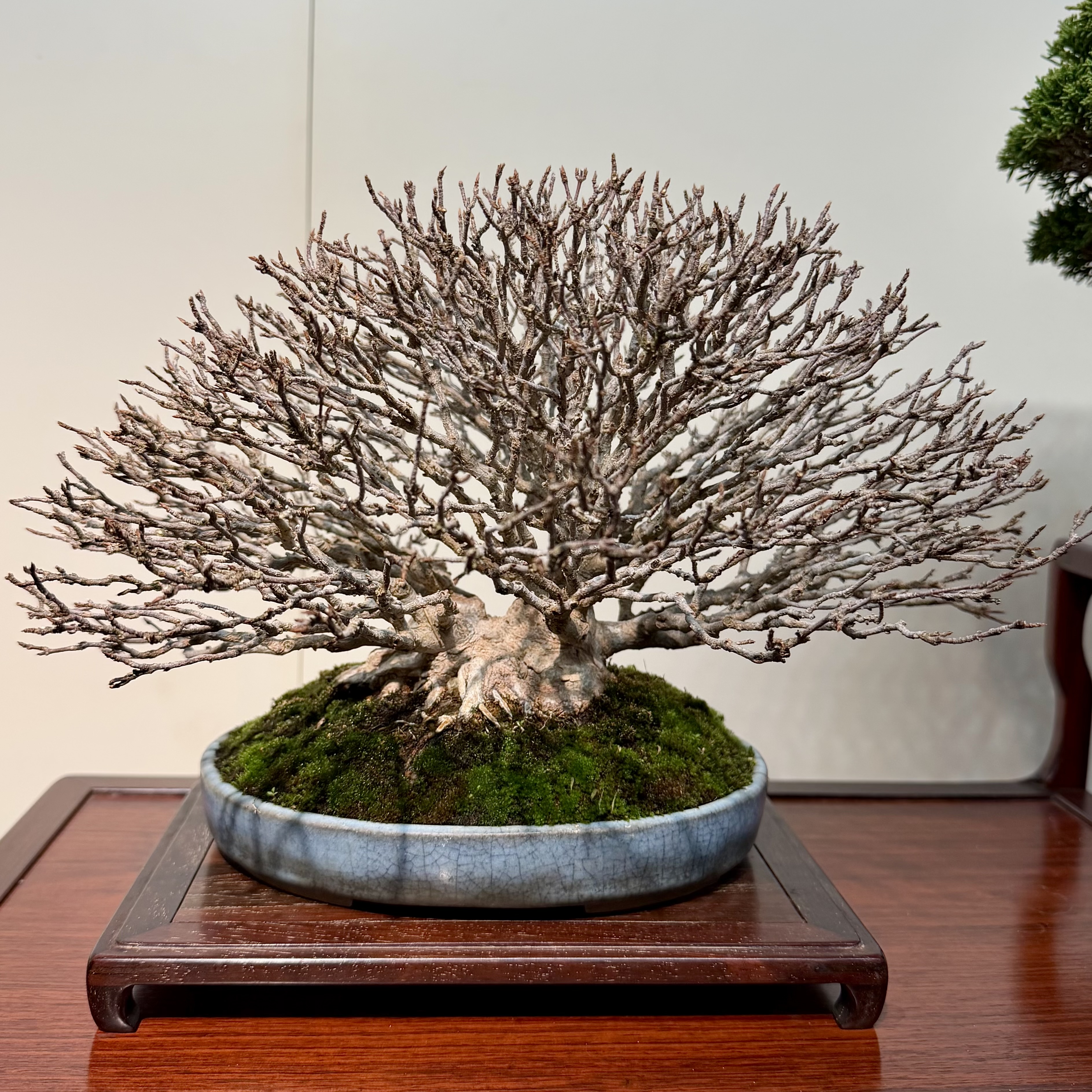
A smaller Trident Maple.
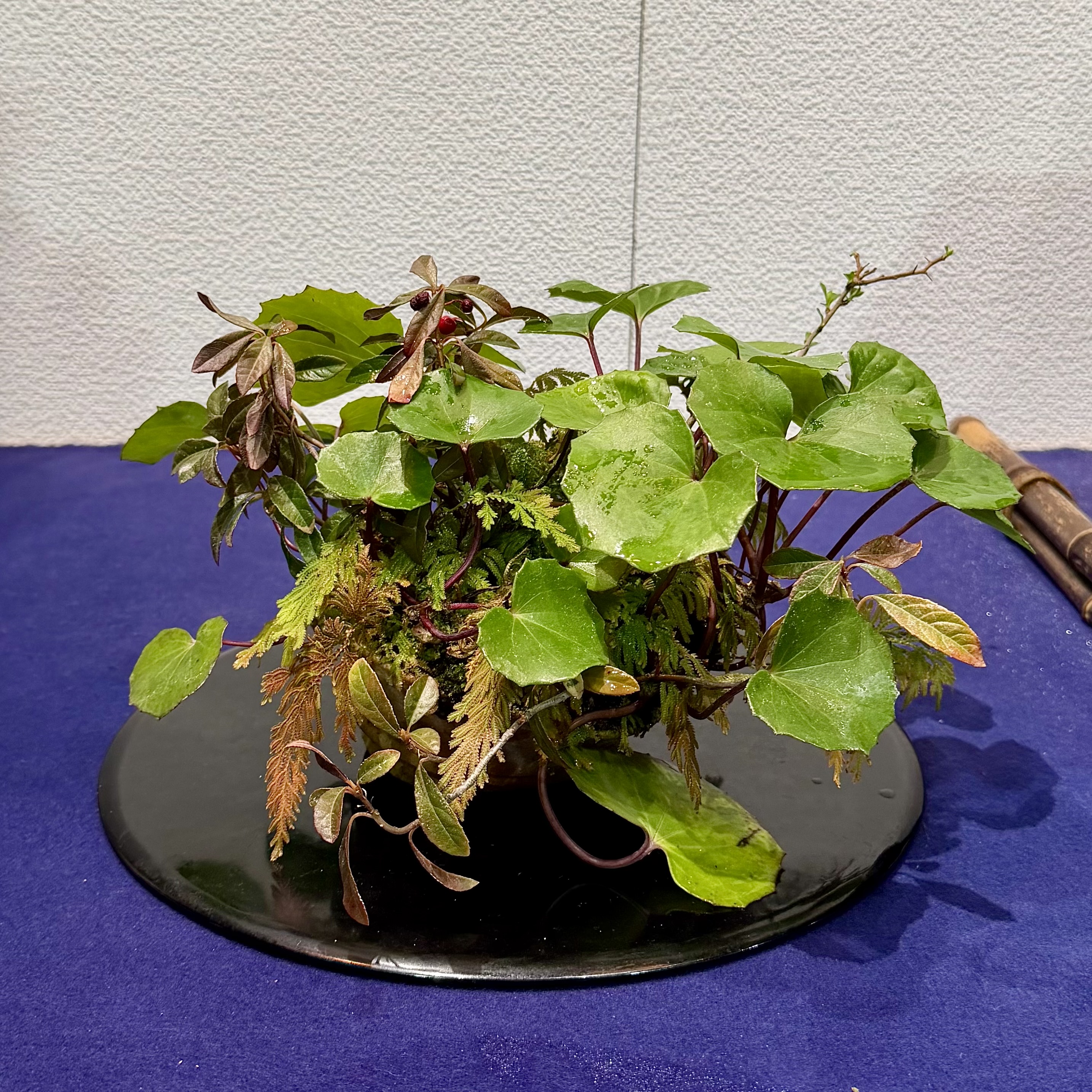
Lovely accent.
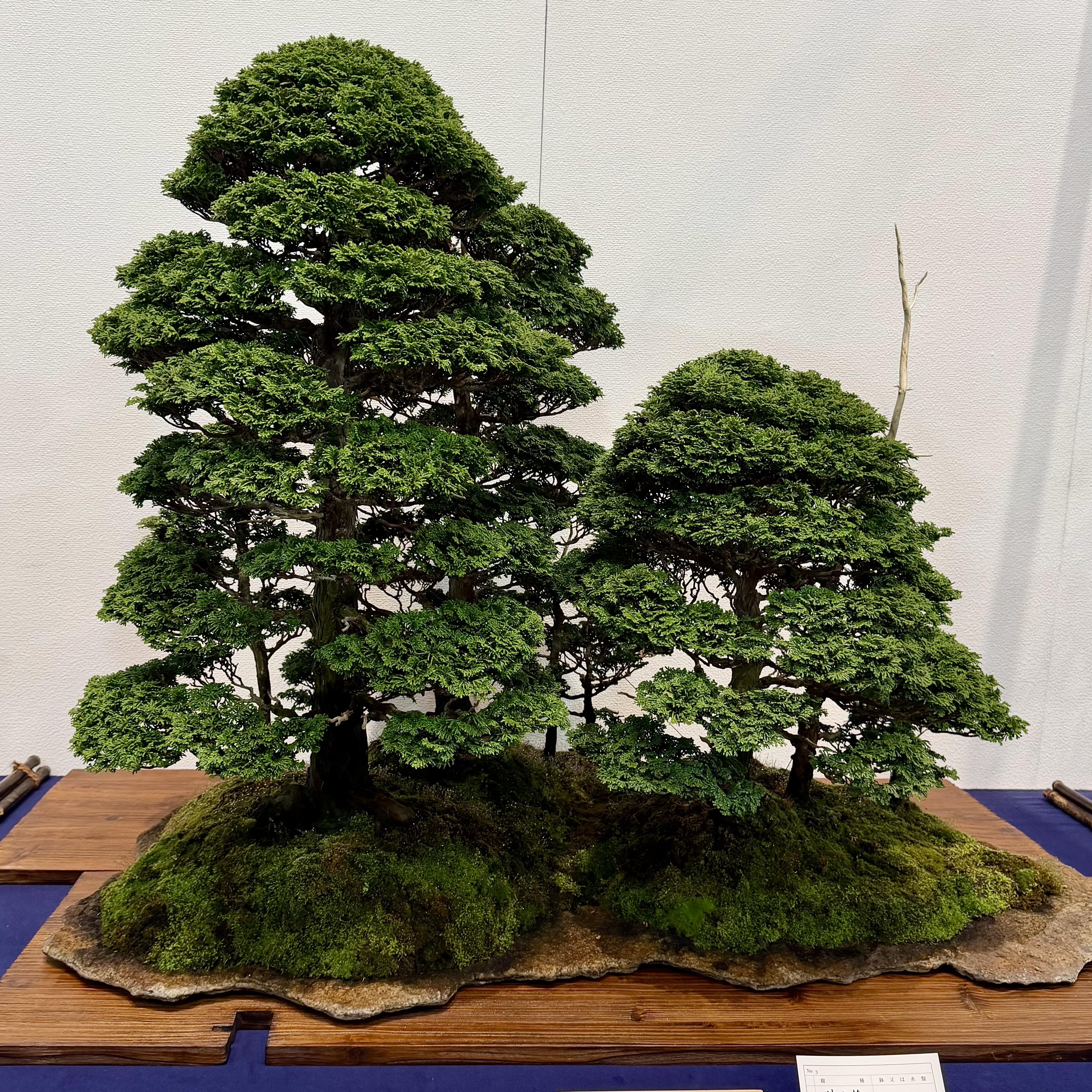
Hinoki forest. That tenjin deadwood rising off the right side strikes me as odd and out of place. Especially coming from one of the younger trees.
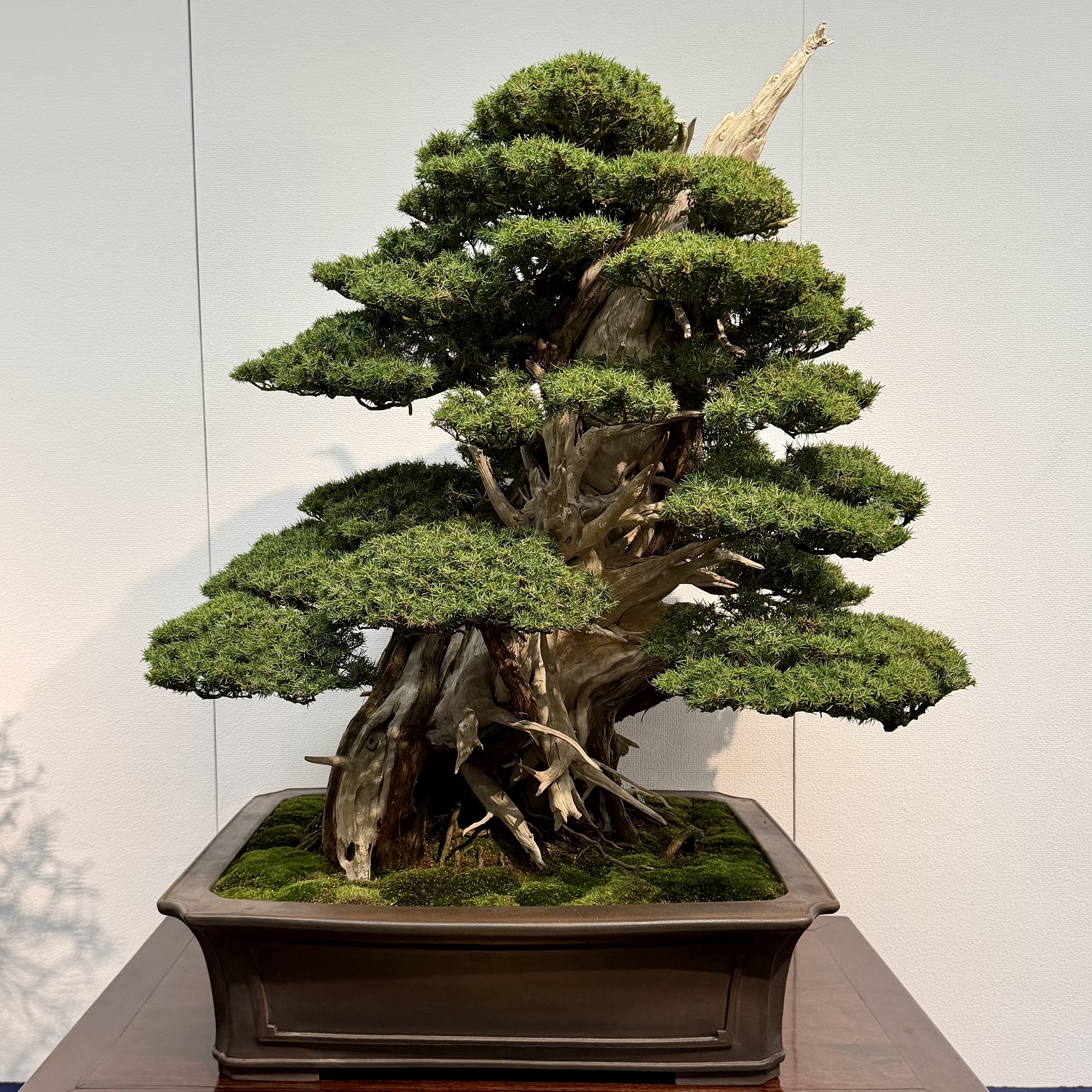
Needle Juniper. Kokufu Prize.
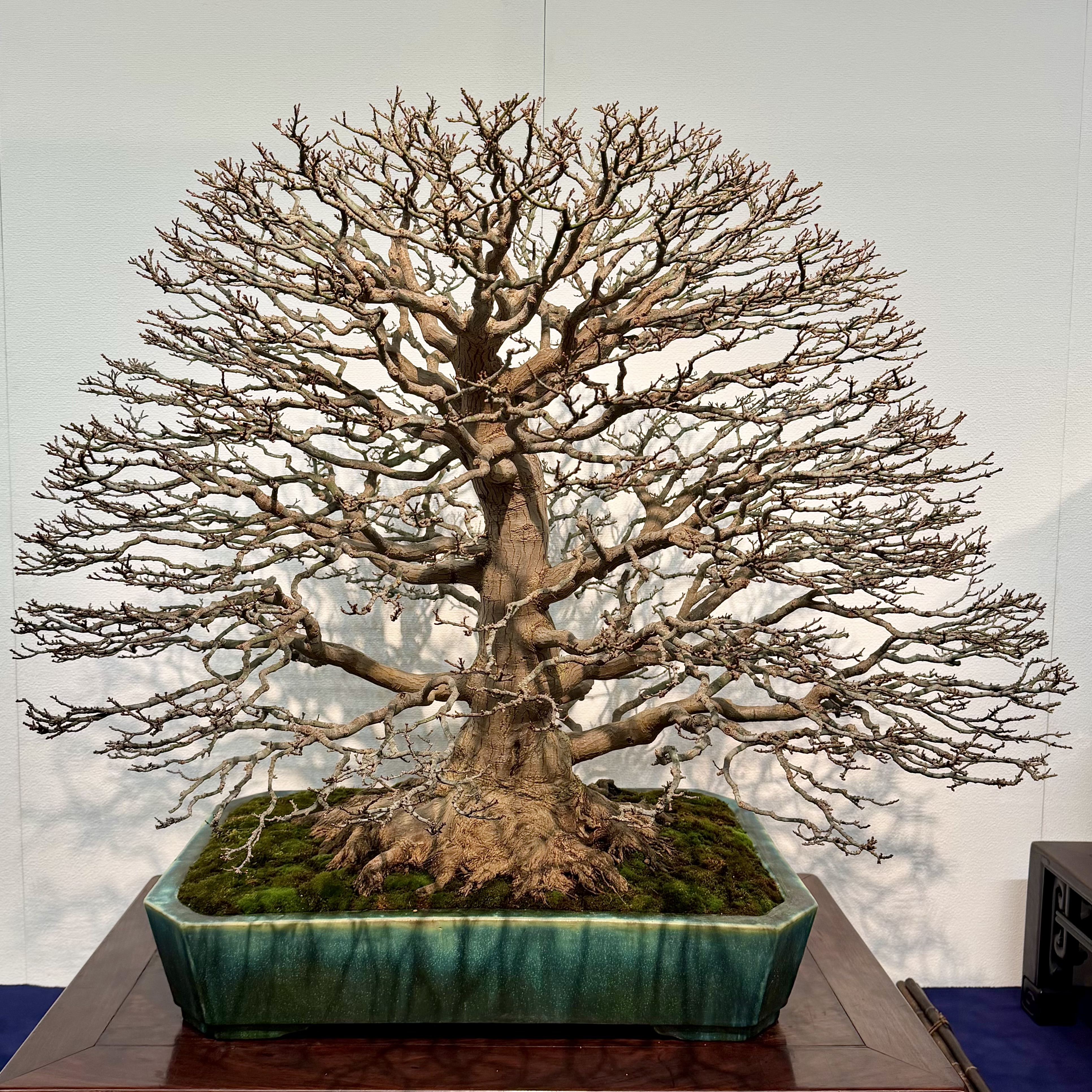
Japanese Maple.
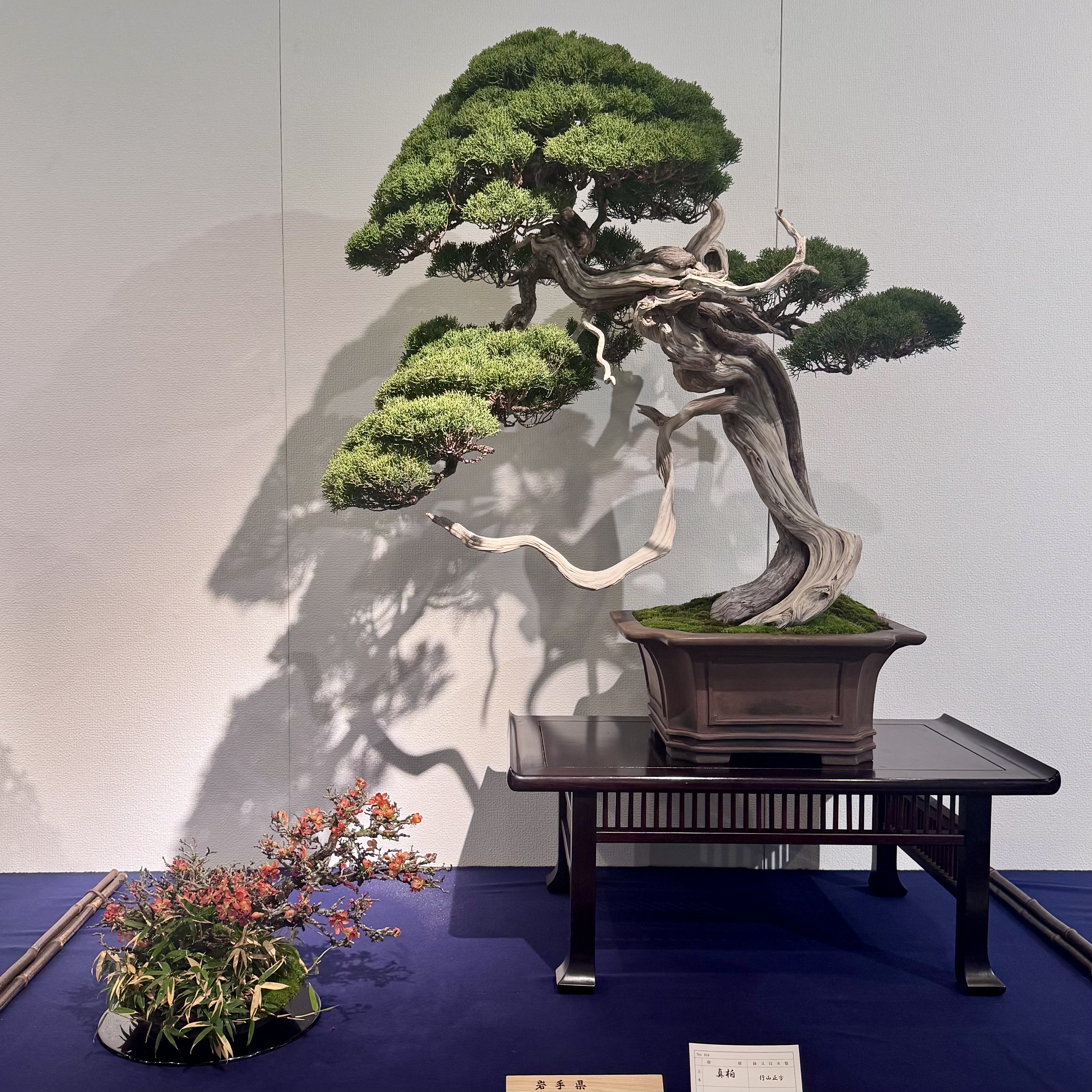
A dancing pair of Shinpaku and Chojubai.
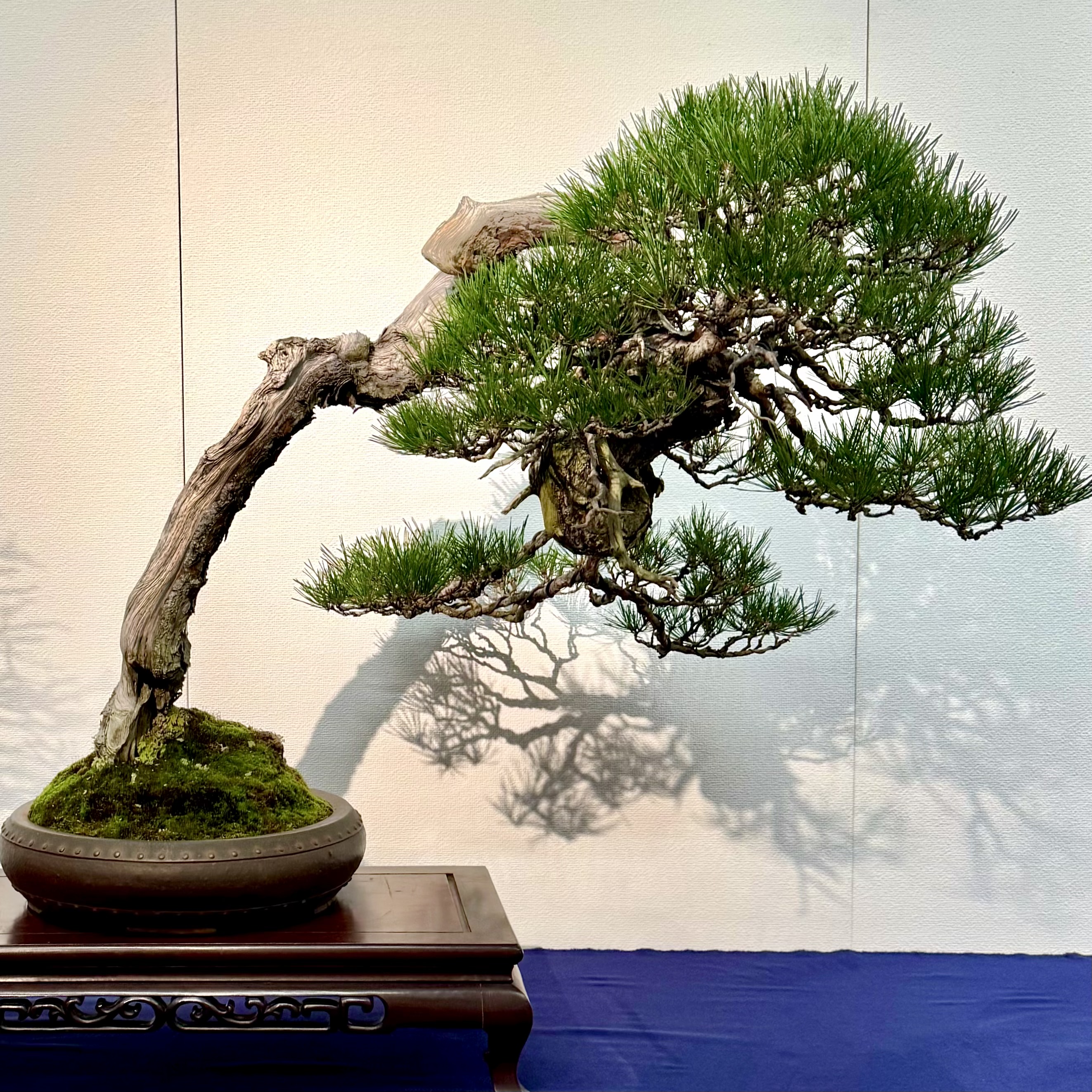
Japanese Red Pine.
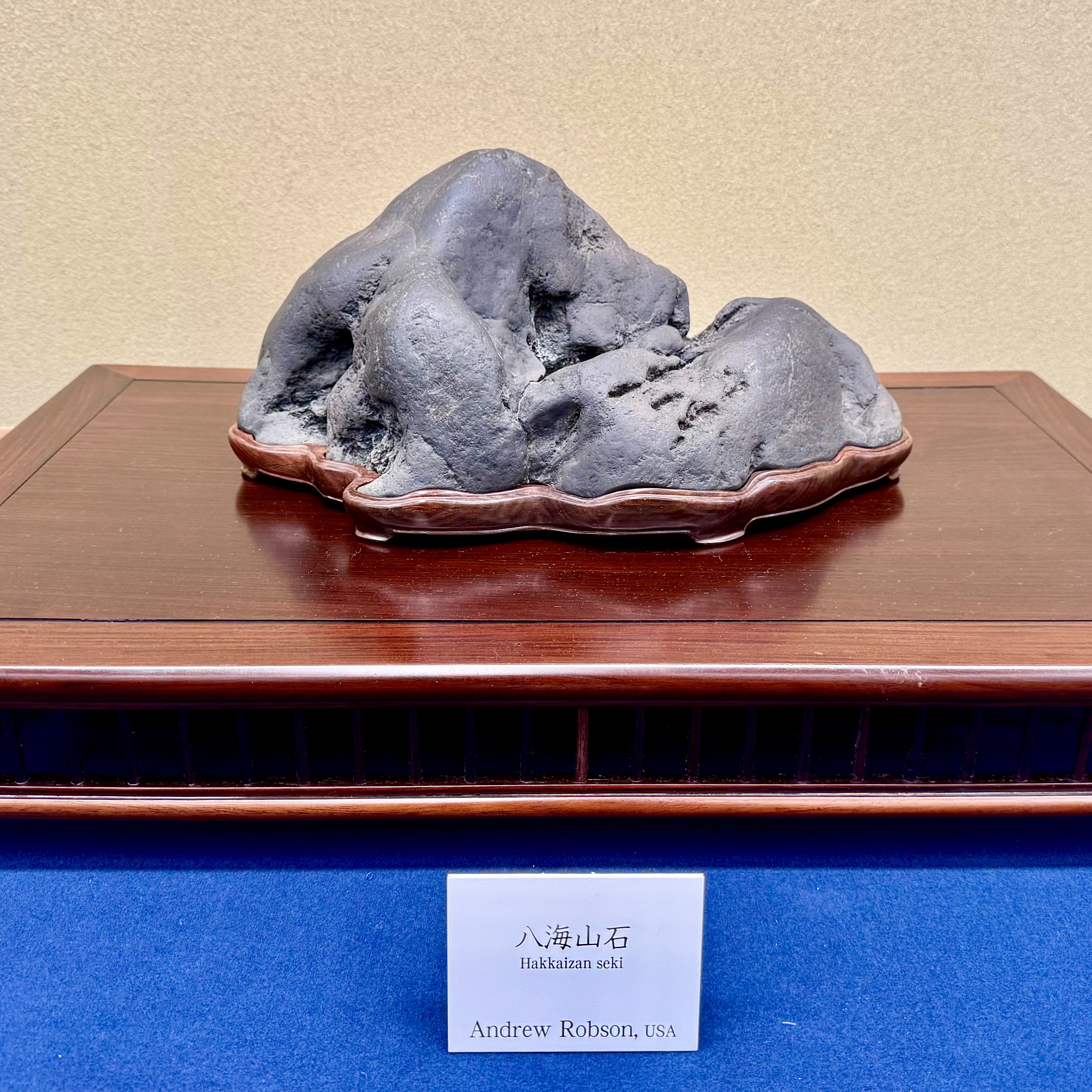
A stone exhibited by former apprentice Andrew Robson.
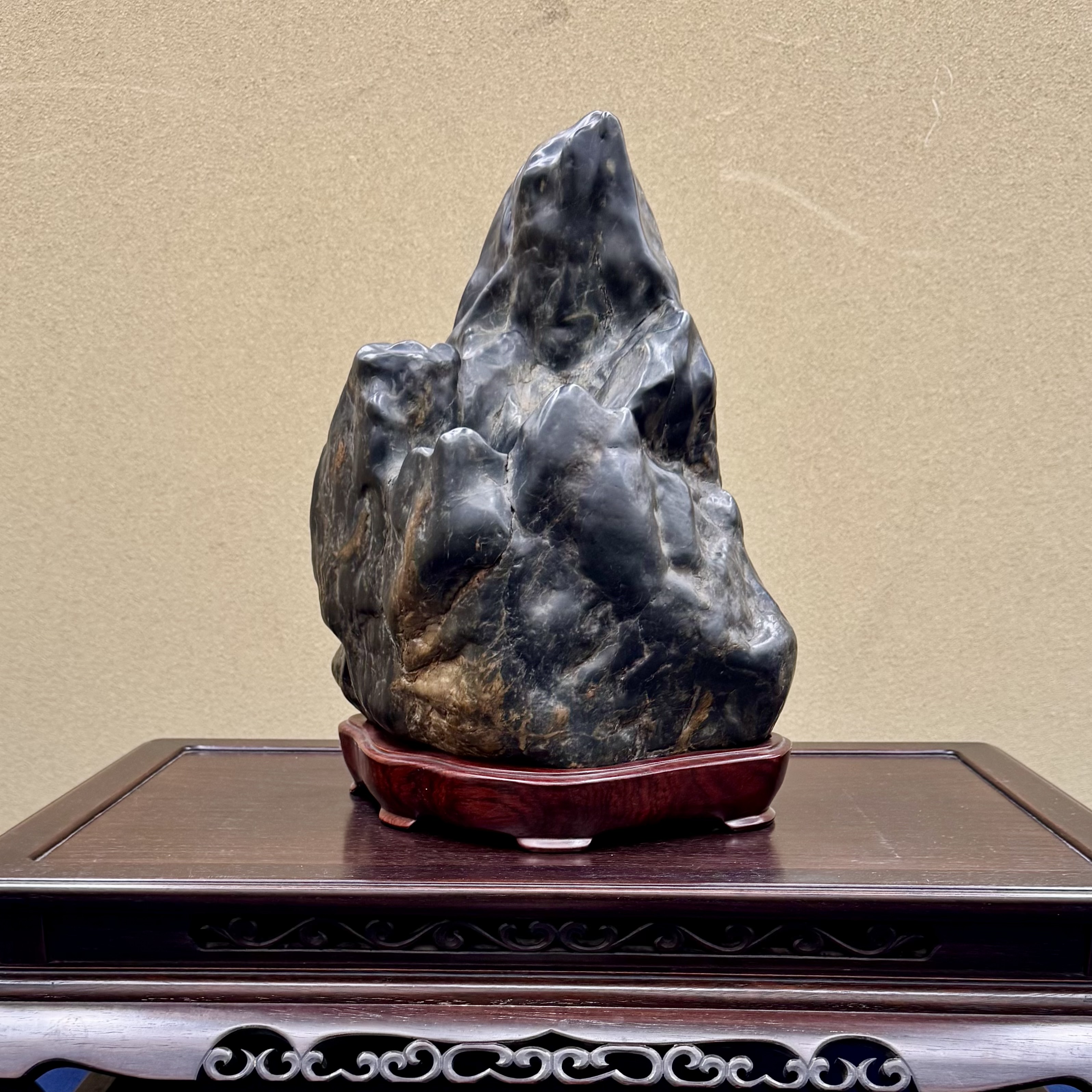
And another stone shown by Andrew’s father, Jeffrey Robson.
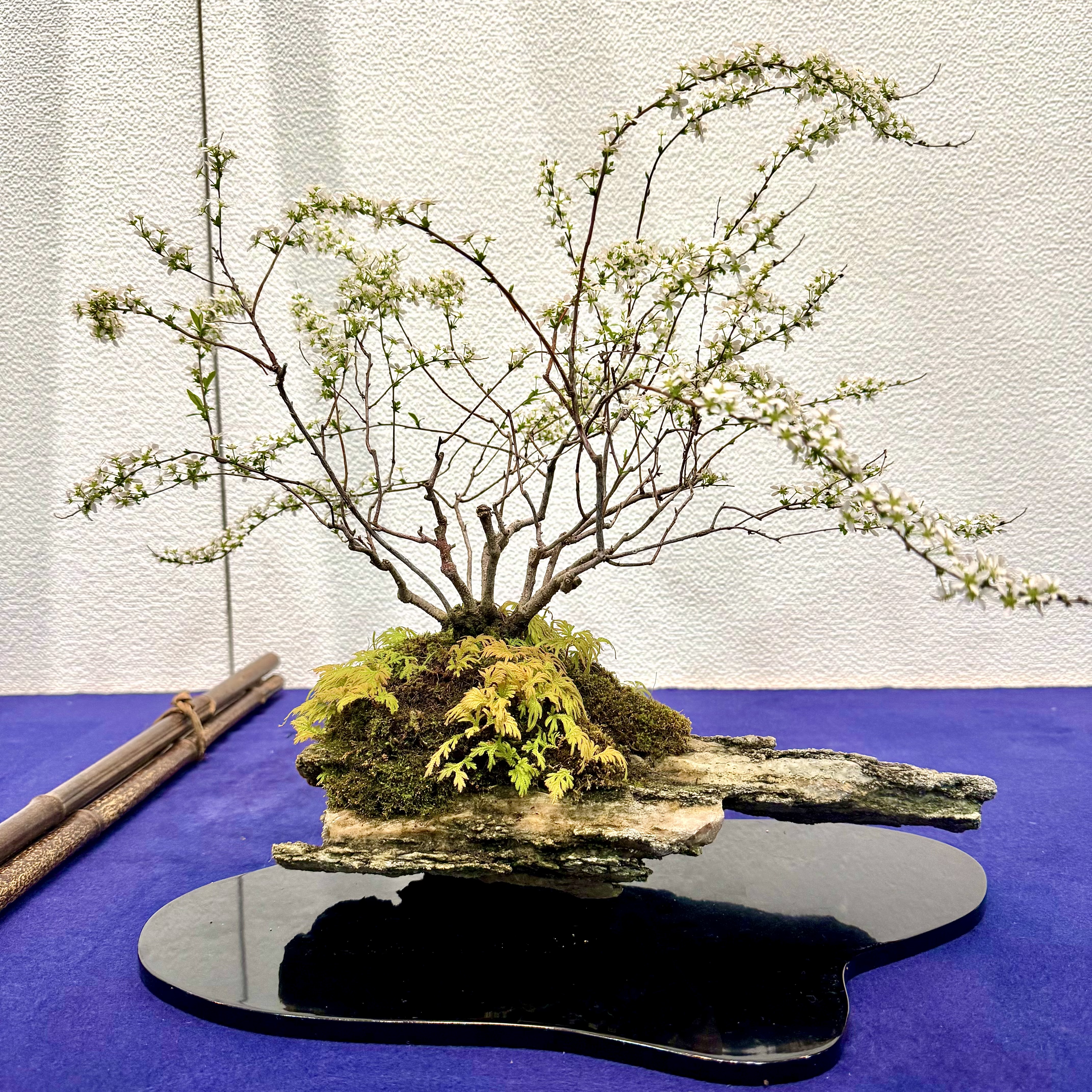
A floating Spirea.
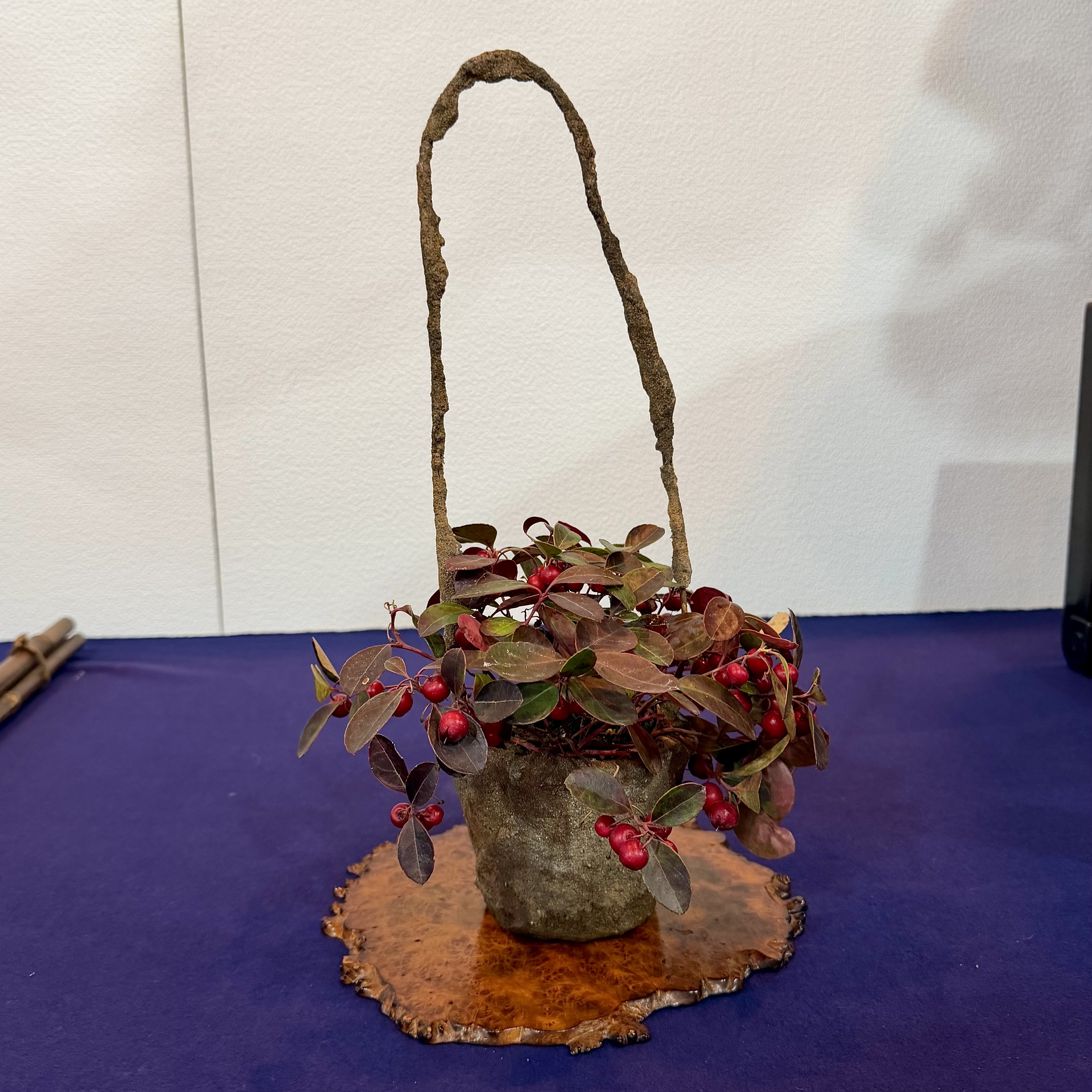
A basket of Winterberry.
Here’s the gallery of the 2026 Kokufu show, Part I.
6 Comments
I really appreciate you taking the time to add descriptions. Thanks
Cheers, thanks for the comment, I will continue to add them!
Michael, thanks for giving us our own private viewing of the Kokufu-ten. The ramification of the maples and Chinese Quince blow my mind. I know you are not supposed to ask about age, but I cannot help wondering how many years it took for some these trees to get to this.
I wish I knew the answer to that but the branching on many looks the work of decades. But—-in a cold northern climate of Japan it might take twice as long as in Kyshu, for example, where it’s like Georgia, USA. So that’s not very helpful I guess…
Thank you! Beautiful art by the old masters. From the 2D picture of the Hinoki forest, I see a painting like American Gothic, or an old photograph of a big brother and little sister. There is something caring going on.
That’s a nice, tender observation. Thank you for sharing!