Should I Worry About That Burl?
They have an attraction, these lumpy knobs on trees. Several times I’ve stared up at a tree in a forest with a magnificent lumpy knob, and, after admiring it, wondered if it was the next to be stolen. The theft of maple burls have been reported on the news here in Oregon.
Burl wood is wavy and without pattern and valued in woodworking. It is made into exquisite furniture, bowls, and jewelry.
While out there in the woods staring at burls I’ve wondered, what made them?

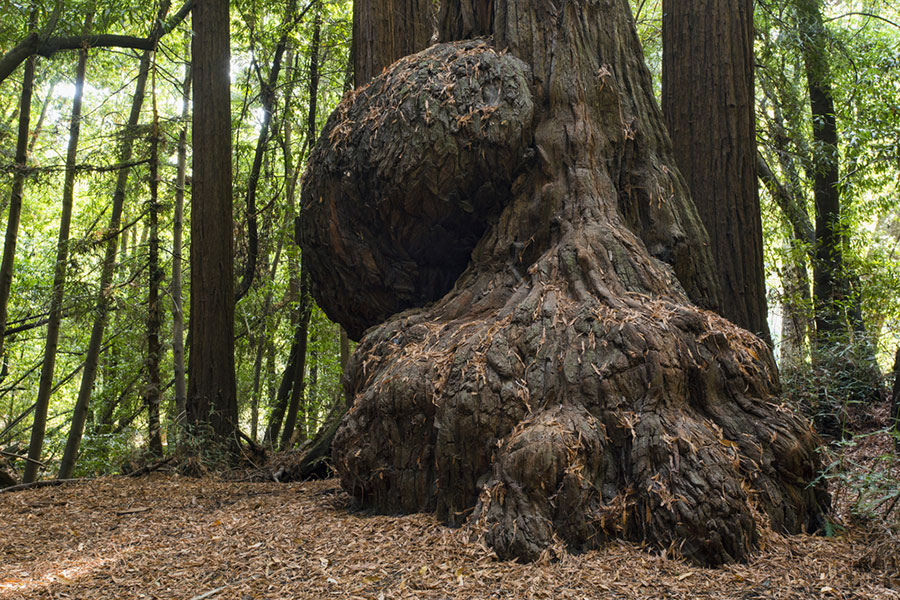
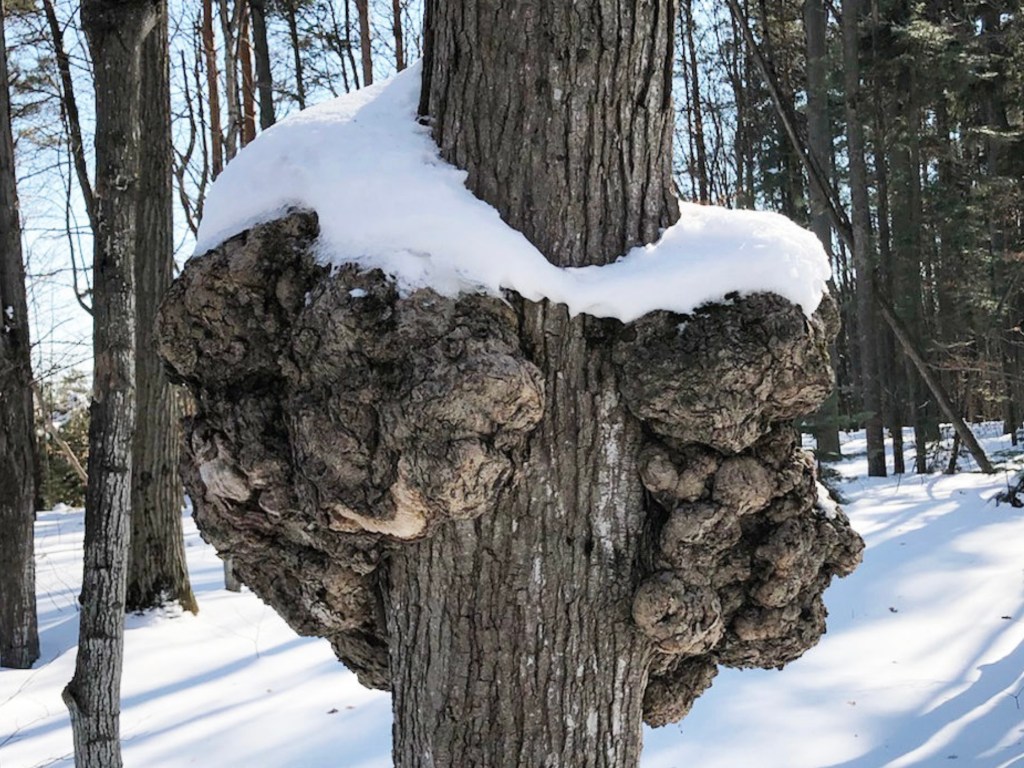
Arborists say these unusual growths are caused by pathogenic stress from a virus, fungus or bacteria. The pathogens sabotage the growth, causing undifferentiated, callus-like growth. Often it is not clear which pathogen creates the burl as they are often long gone when the burl reaches any size.
Next, staring at the tree in the woods, I’ve wondered, what about our bonsai with burls? That grotesque and beautiful growth on the trunk, is that OK? Am I right to worry about that? Will the tree perish from some unfortunate burl accident?
Apparently not. The burl does not weaken or shorten the lifespan of trees, according to arborists. It only makes them more interesting. It is only if we cut into a living burl that we may damage a tree.

A fascinating burl on an elm bonsai has made it unique.
6 Comments
Hi Michael,
Thank you for this interesting post. It made me think of a recent hike in the Muir Woods in Marin. While there I saw redwood burls which I was told are full of energy and juvenile buds. Like a little genetic survival pack for the tree.
Your post also made me think of something I deal with at work from time to time and that is keloid scars. Keloids come from an initial injury, sometimes quite minor. The growth of a keloid is the body trying to heal the injury but it doesn’t know when to stop. The injury creates an inflammatory response which causes scar tissue to be created. In most people as the injury heals the inflammation is reduced and scar tissue stops being produced. The body also has the ability to mature the scar tissue making the scar smaller over time. It’s a balancing act between inflammation with the creation of scar tissue and the reverse with maturation of the scar. In individuals who form keloids there is a genetic imbalance between these opposing factors that turn on vs turn off scar tissue formation. This happens at a molecular level through cellular communication using enzymes that activate and deactivate the process. In those who form keloids the defect is in the inability for the body to recognize the wound or injury is primarily healed. The new skin cells (epithelial cells) that that eventually grow over the injury should ideally communicate with the cells below saying “we are done now, you can stop making scar tissue”.
BTW by definition a keloid is a scar that continues to grow well outside its original borders. Keloids can unfortunately look like human burls.
I wonder if burls are a type of tree keloid? Minor infections can after all start the creation of a large keloid.
Ok, I think I’ve rambled enough.
As always, thank you for your contributions to the community,
Mats H
Hi Mats—- This is fascinating. Thank you so much for your knowledge. I had no idea keloids can become like tree burls. Now you have me wondering, too.
Note—As a general encouragement to readers who post comments, please ALWAYS feel free to ramble on a related subject that you have expertise in. All of us benefit from that.
in parallel with human physiology, namely with the more non-specific mechanisms of the immune system, these lesions may be the equivalent of granulomas, structures that attempt to encapsulate and limit the access of pathogens that the organism has not been able to expel/control.
Oh! That is most interesting. Thanks for sharing, Bruno—
What a revelation in the healing process of trees. I’ve learned so much!!
Bob Shimon was so gracious to send me a burl slab for the New Year of the Snake. Arigato gozaimashita Michael
Crazy growths, aren’t they??